
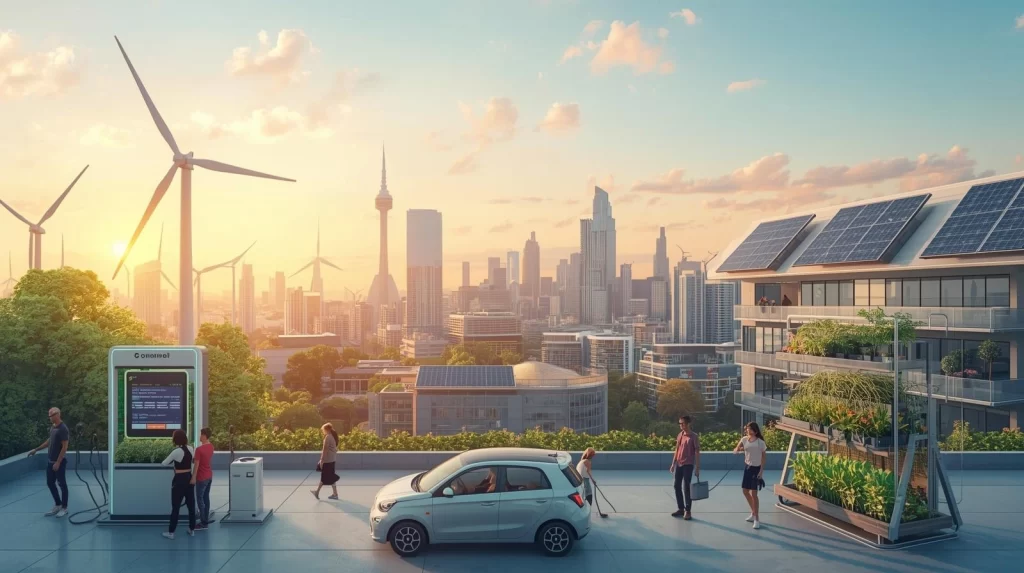
How can technology help us protect the environment while simultaneously advancing human progress? As the world grapples with the challenges of climate change, pollution, and dwindling natural resources, the answer lies in sustainable tech. Green tech, also known as eco-friendly technology, is a growing field dedicated to creating solutions that reduce our ecological footprint. From renewable energy sources to energy-efficient devices, these innovations are not only changing the way we live but also contributing to a cleaner, more sustainable future.
In this blog, we will explore the role of sustainable tech in shaping a cleaner, greener world. We’ll look at how green tech is driving progress across various industries, its potential to revolutionize energy consumption, and the role of renewable resources in creating a more sustainable planet.
Professional Website Development & SEO Services – Grow Online Fast
What is Sustainable Tech, and Why is it Important?
At its core, sustainable tech refers to technologies designed to reduce the negative environmental impact of human activities. This includes innovations that minimize energy consumption, reduce waste, lower carbon emissions, and promote the use of renewable resources. Unlike traditional technologies that often prioritize short-term benefits at the expense of the environment, sustainable tech focuses on long-term solutions that ensure a balance between technological progress and ecological preservation.
The importance of sustainable tech cannot be overstated. As global populations continue to rise and industrial activity expands, the strain on natural resources is intensifying. Green tech offers the tools to address these challenges, helping industries, governments, and individuals reduce their environmental impact while fostering economic growth.
In the coming years, we will see a surge in eco-friendly technology initiatives across the globe, driven by the urgent need to combat climate change, conserve resources, and protect biodiversity. This transition is not just about saving the planet—it’s also about building a more sustainable, resilient future for generations to come.
How is Green Tech Revolutionizing the Energy Sector?
The energy sector is one of the largest contributors to global carbon emissions, making it a key focus for green tech innovations. Renewable resources such as solar, wind, hydroelectric, and geothermal energy are transforming how we generate and consume power, moving away from fossil fuels toward cleaner, more sustainable alternatives.
1. What Role Does Solar Power Play in Sustainable Tech?
Solar power is one of the most well-known and widely adopted forms of renewable energy. Through green tech innovations like advanced solar panels and photovoltaic systems, solar energy is now more efficient and affordable than ever before.
- Improved Efficiency: Over the past decade, solar technology has advanced significantly, with new materials and designs increasing the efficiency of solar cells. Solar panels now generate more energy per square meter, making it easier to harness the sun’s power even in areas with less sunlight.
- Energy Storage Solutions: One of the challenges with solar power has been its intermittent nature. However, advancements in battery storage technology are allowing us to store excess energy generated during the day for use at night or during cloudy periods, ensuring a steady supply of clean energy.
- Solar for All: With the decreasing cost of solar installations, more homes and businesses are adopting solar power. In 2025, we can expect even greater widespread adoption, with solar energy becoming a central part of both residential and commercial energy solutions.
2. How is Wind Power Contributing to a Cleaner Future?
Wind power, another major player in the renewable energy space, is also benefiting from advancements in green tech. Wind turbines are becoming more efficient, with improved designs that capture more energy from the wind.
- Offshore Wind Farms: Offshore wind farms are becoming a more significant part of the global energy mix. By harnessing the stronger and more consistent winds over the ocean, these farms are capable of generating vast amounts of energy. Offshore turbines have also become larger, more powerful, and more cost-effective, making them a viable source of renewable energy in the coming years.
- Onshore Wind Power: Onshore wind farms continue to expand, particularly in regions with strong winds and ample open space. As technology improves, wind turbines are able to generate more power with less impact on the environment, making them a sustainable alternative to fossil fuel-based electricity.
By 2025, wind power is expected to play a significant role in reducing global dependence on coal and natural gas, providing large-scale clean energy for countries and communities around the world.
What are the Key Applications of Eco-friendly Technology in Various Industries?
Sustainable tech is not limited to energy production—it is revolutionizing industries across the board, from transportation to agriculture. Here are some of the most impactful 3D printing applications of green tech in key sectors:
1. Transportation: How Are Electric Vehicles (EVs) Driving Change?
Transportation is one of the largest sources of greenhouse gas emissions. However, eco-friendly technology in the form of electric vehicles (EVs) is quickly transforming the sector.
- EV Adoption: With advancements in battery technology, electric vehicles are now more affordable, have longer ranges, and are faster to charge. As governments around the world set stricter emission standards, EVs are becoming the preferred choice for consumers and businesses alike.
- Public Transportation: Cities are also adopting electric buses and trains, reducing their carbon footprints while offering clean, sustainable transportation options for residents.
- Charging Infrastructure: With the rise in EV adoption, charging infrastructure is growing at an exponential rate. Smart grids and fast-charging stations are making it easier for drivers to charge their vehicles, contributing to the widespread transition to electric mobility.
By 2025, the adoption of electric vehicles will be critical in reducing the carbon footprint of the transportation industry and creating cleaner, more sustainable cities.
2. Agriculture: How Is Sustainable Tech Helping Feed the World?
The agricultural sector is undergoing a transformation thanks to green tech innovations that promote sustainable farming practices and improve food production efficiency.
- Precision Agriculture: Through the use of drones, sensors, and AI-powered software, precision agriculture is helping farmers monitor crop health, optimize water usage, and reduce the need for chemical fertilizers and pesticides. This reduces environmental harm while boosting crop yields.
- Vertical Farming: Vertical farming uses hydroponics and aeroponics to grow crops indoors in vertically stacked layers. This method reduces water usage, eliminates the need for pesticides, and minimizes land use, all while producing food in urban environments.
- Biodegradable Plastics: The agricultural industry is also moving towards eco-friendly technology like biodegradable plastics to reduce plastic waste and environmental pollution in the soil.
By 2025, sustainable agriculture practices driven by green tech will help meet the growing global demand for food while reducing the ecological footprint of farming.
3. Construction: How is Green Tech Redefining Building Practices?
The construction industry is another area where sustainable tech is making a significant impact. With growing concerns about carbon emissions and waste, the construction sector is adopting eco-friendly solutions to reduce its environmental impact.
- Energy-efficient Buildings: Green tech has enabled the development of buildings that are more energy-efficient, using advanced insulation materials, solar panels, and smart energy management systems. These buildings use less energy, lower utility costs, and contribute to a more sustainable urban environment.
- 3D-Printed Buildings: Using 3D printing technology, construction companies can print entire structures, reducing waste and lowering energy consumption. This innovation also makes it possible to build affordable, sustainable housing faster and more efficiently.
By 2025, we can expect sustainable construction to become the norm, with cities and communities embracing green building practices and eco-friendly materials.
What Are the Challenges of Implementing Green Tech, and How Can They Be Overcome?
While sustainable tech has the potential to drive significant positive change, there are challenges to widespread adoption. Some of the key hurdles include:
- Cost of Implementation: While green tech has become more affordable in recent years, the upfront costs of transitioning to renewable energy sources or installing eco-friendly technologies can still be high. However, as technology advances and economies of scale come into play, these costs will continue to decrease, making sustainable tech more accessible to a broader range of industries and consumers.
- Regulatory Barriers: In some regions, regulatory frameworks are not yet fully supportive of the transition to sustainable technologies. Governments must continue to implement policies and incentives that encourage the adoption of eco-friendly technology and renewable energy solutions.
- Public Awareness: The shift to sustainable tech requires public awareness and education about the benefits of green tech. As consumers demand more sustainable products and services, businesses will be incentivized to adopt cleaner, greener technologies.
By overcoming these challenges, sustainable tech can drive meaningful change in how we produce, consume, and live—creating a cleaner, healthier planet for future generations.
Sustainable tech and green tech are not just trends—they represent the future of how we approach energy, industry, and resource management. With renewable resources and eco-friendly technology leading the charge, the world is on the path to a cleaner, more sustainable future. As we continue to innovate and adopt these technologies, we move closer to achieving a balance between technological progress and environmental preservation.
FAQs About Sustainable Technology
Q1: What is sustainable technology?
Sustainable technology, or green tech, refers to innovations designed to reduce environmental impact, conserve natural resources, and promote sustainability in various sectors, including energy, agriculture, and transportation.
Q2: How does green tech benefit the environment?
Green tech reduces pollution, lowers carbon emissions, conserves resources, and promotes the use of renewable energy sources, contributing to a cleaner and healthier environment.
Q3: What are some examples of eco-friendly technology?
Examples of eco-friendly technology include solar and wind power, electric vehicles, energy-efficient appliances, biodegradable plastics, and sustainable farming practices like vertical farming and precision agriculture.
Q4: How is renewable energy shaping the future of green tech?
Renewable energy sources like solar, wind, hydro, and geothermal are central to green tech, providing clean alternatives to fossil fuels. These sources are increasingly cost-effective and scalable, offering a sustainable solution to global energy needs.
Q5: What is the future of sustainable tech by 2025?
By 2025, we can expect sustainable tech to become more integrated into daily life, with innovations in renewable energy, eco-friendly transportation, sustainable agriculture, and green construction practices driving widespread change.