
Have you ever visited a website on your phone, only to find yourself pinching and zooming to read the text or navigate the menus? Or worse, have you encountered a website that simply didn’t load properly on your device? It’s frustrating, and it’s more common than you might think. In today’s digital world, your website’s design plays a pivotal role in not only engaging visitors but also ensuring they stick around long enough to convert into customers.
The solution? Responsive web design. This approach ensures that your website is functional, beautiful, and easy to navigate, whether it’s viewed on a desktop, tablet, or smartphone. More importantly, it’s crucial for SEO success. In this article, we’ll explore how responsive web design boosts both user experience and search engine optimization (SEO), and why it’s essential for businesses, especially those in markets like Web Design Multan, to adopt it.
What Is Responsive Web Design and Why Does It Matter?
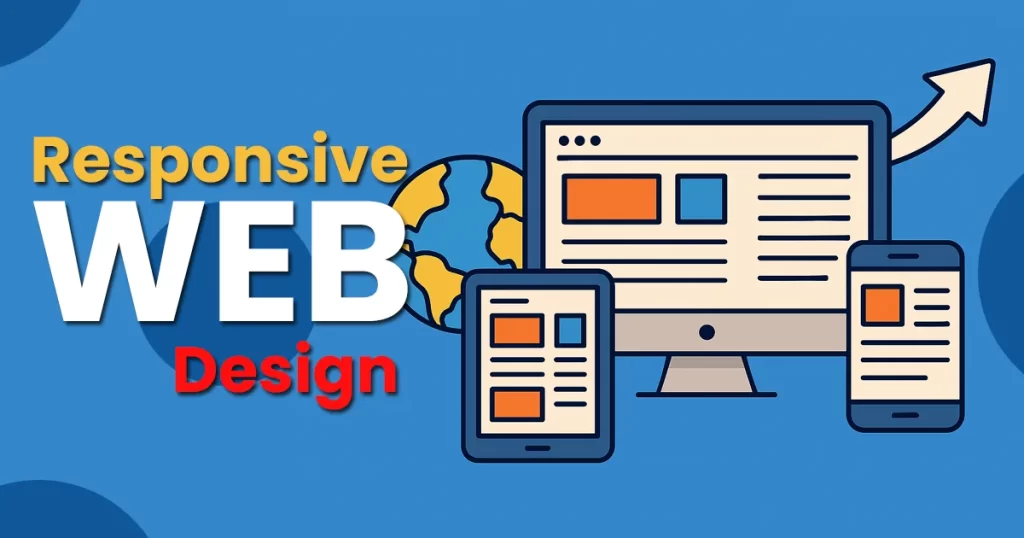
Responsive web design (RWD) refers to creating a website that automatically adjusts its layout and content to fit different screen sizes and resolutions. Whether a user is on a mobile device, tablet, or desktop computer, the website will adapt to provide an optimal viewing experience without the need for separate versions of the site.
Pro Tip:
Responsive design is not just a trend but a requirement. Google, the king of search engines, now uses mobile-first indexing, meaning that Googlebot predominantly crawls and indexes the mobile version of your site. If your website isn’t responsive, you’re already at a disadvantage.
How Does Responsive Web Design Improve User Experience?
The Mobile Revolution: Why It’s More Than Just a Trend
We all know that mobile usage has skyrocketed, with mobile devices now accounting for more than half of global internet traffic. But what does this mean for user experience (UX)?
With responsive web design, your site will automatically adjust to fit the device’s screen size, ensuring that content is easily accessible and navigable. Imagine someone visiting your site on their phone: they’ll no longer need to zoom in on tiny text or scroll horizontally to read a paragraph. Instead, they’ll have a seamless experience, making it far more likely they’ll stay on your site longer and convert into customers.
Case Study: Local Restaurant in Multan
A local restaurant in Multan was facing an issue with their outdated, non-responsive website. Most of their traffic came from mobile users, yet the website was designed primarily for desktop users. As a result, mobile visitors were abandoning the site in frustration. After implementing a responsive design, mobile bounce rates dropped by 30%, and their online orders increased by 20%. This example shows that a responsive design can dramatically enhance user experience, especially for local businesses.
How Does Responsive Web Design Impact SEO?
Google’s Mobile-First Indexing
In 2018, Google officially switched to mobile-first indexing, which means that Google uses the mobile version of your website as the primary factor in determining rankings. If your site isn’t responsive or mobile-friendly, Google might rank it lower in search results, especially on mobile devices.
Statistic Alert: According to Google, 61% of users are unlikely to return to a mobile site they had trouble accessing, and 40% visit a competitor’s site instead. This statistic highlights why responsive design is no longer optional—it’s a necessity for SEO.
A Single URL for All Devices
One of the advantages of responsive web design is that it ensures you have a single URL for all devices. In the past, businesses had separate mobile websites (e.g., m.yoursite.com), which meant they had to manage multiple versions of the same content. This could lead to duplicate content issues and harm your SEO efforts.
With responsive web design, you have one URL, reducing the risk of duplicate content, which can confuse search engines and potentially harm your rankings. This simplified structure allows Google to crawl your site more effectively and index your content faster.
What Are the Key Benefits of Responsive Web Design for SEO?
Faster Page Load Times
Page speed is a critical ranking factor for SEO. Google and users alike expect fast-loading websites, especially on mobile devices. Responsive design helps optimize images and content for different screen sizes, ensuring faster load times. A faster site not only improves the user experience but also signals to Google that your site is well-optimized.
Higher Engagement and Lower Bounce Rates
Responsive design leads to a more pleasant user experience, which results in increased engagement. Visitors are more likely to explore your site if they can easily navigate it, leading to lower bounce rates. Lower bounce rates are a positive signal to Google, which can boost your site’s rankings.
Case Study: E-commerce Store
An e-commerce store specializing in fashion had an outdated, non-responsive website. Users on mobile devices struggled to make purchases due to poor navigation and slow load times. After redesigning the site with responsive design, the store saw a 25% increase in mobile transactions and a 15% increase in overall site traffic within three months. The improved user experience resulted in higher conversions and improved search engine rankings.
How Can I Implement Responsive Web Design for My Website?
Start With a Mobile-First Approach
Since Google prioritizes mobile-first indexing, it’s wise to begin designing your website with mobile users in mind. Ensure that your content is readable without zooming and that your buttons and links are easy to click on a small screen.
Use a Fluid Grid Layout
A fluid grid layout adjusts the layout based on percentages rather than fixed sizes. This allows the elements on your website to resize dynamically, ensuring that your site looks great on all screen sizes.
Optimize Images and Media for Mobile
Images and media can slow down page load times if they’re not optimized for mobile. Use image compression tools and modern formats like WebP to reduce file sizes without sacrificing quality. Additionally, consider lazy loading for images so they only load when the user scrolls to them.
Pro Tip:
Test your website on various devices using tools like Google’s Mobile-Friendly Test to ensure everything looks and functions as expected.
Does Responsive Web Design Affect Local SEO?
For businesses targeting local customers, responsive web design can significantly impact local SEO efforts. Mobile searches often lead to immediate action, such as visiting a store or making a phone call. A responsive website ensures that users can easily access your business information, directions, and contact details, which is crucial for local search rankings.
Example: Web Design Multan
A web design agency in Multan focused on improving its local SEO. By updating its website to be fully responsive, the agency noticed a 40% increase in local search traffic and a 50% boost in inquiries from mobile users. The agency also optimized its Google My Business profile and ensured their NAP (Name, Address, Phone Number) consistency across all platforms. This combination of responsive design and local SEO tactics led to significant growth in their business.
Conclusion
Responsive web design is essential for both user experience and SEO. With mobile usage at an all-time high, businesses need to ensure their websites provide a seamless experience across all devices. From boosting your SEO rankings to keeping users engaged, responsive design is the cornerstone of a successful digital presence.
If you haven’t already, now is the time to implement responsive web design. Whether you’re a small business in Multan or a global enterprise, a well-designed website is key to standing out in search engine results and converting visitors into loyal customers.
Take the first step today and optimize your website for a better user experience and improved search rankings. If you need assistance, don’t hesitate to reach out to a professional Web Design Multan agency to help you implement the best practices and stay ahead of the competition.
FAQ
- What is responsive web design?
Responsive web design ensures that your website adapts to different screen sizes and devices, offering an optimal user experience whether on mobile, tablet, or desktop. - How does responsive web design affect SEO?
Responsive design helps improve SEO by reducing bounce rates, increasing engagement, and ensuring your website is mobile-friendly, which is a ranking factor for Google. - Can a non-responsive website impact my Google ranking?
Yes, Google uses mobile-first indexing, meaning a non-responsive website is likely to rank lower in search results, especially on mobile searches. - How can responsive web design help local SEO?
A responsive website ensures that local users can easily access your business information, contact details, and map directions, improving your chances of appearing in local search results. - Is responsive web design expensive?
While the initial cost of implementing responsive design may seem higher, the long-term benefits—such as improved user experience, SEO, and conversions—outweigh the initial investment. - What tools can I use to test if my website is responsive?
Google’s Mobile-Friendly Test and other responsive design tools can help you assess whether your website adapts well to different screen sizes and devices. - What are the key elements of responsive web design?
Key elements include fluid grid layouts, flexible images, mobile-first design, and media queries to ensure the site adapts well to various devices and screen resolutions.