Have you ever wondered how cloud computing is transforming businesses and everyday life? As technology continues to evolve, cloud computing has become the backbone of many industries, enabling businesses to scale effortlessly, improve performance, and reduce costs. But what does the future hold for cloud services, and how will trends in cloud computing impact organizations and consumers in the years to come?
In this ultimate guide, we’ll explore the benefits of cloud computing, the current trends shaping the industry, and the exciting developments we can expect to see by 2025.
Professional Website Development & SEO Services – Grow Online Fast
What Is Cloud Computing?
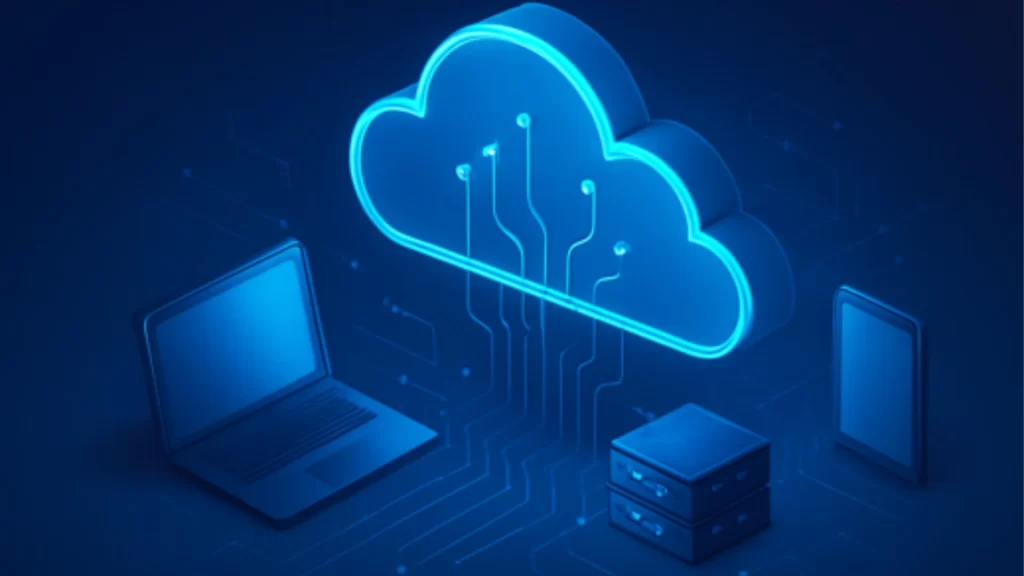
Cloud computing refers to the delivery of computing services over the internet. These services range from storage, databases, and servers to networking, software, and analytics. Instead of hosting data on local computers or private servers, organizations can leverage the cloud to access these resources remotely, reducing the need for on-site infrastructure and minimizing IT costs.
Cloud computing services come in different forms:
- Public Cloud: Resources are provided over the internet and shared across multiple organizations.
- Private Cloud: Cloud services used exclusively by one organization, offering enhanced control and security.
- Hybrid Cloud: A combination of both public and private cloud infrastructures.
By 2025, cloud computing is expected to evolve even further, with new cloud services and cutting-edge trends making an impact on the way businesses and individuals interact with technology.
What Are the Key Benefits of Cloud Computing?
Cloud computing brings a host of benefits to organizations of all sizes. Here are some of the most significant advantages:
- Cost Savings
One of the most attractive aspects of cloud computing is its ability to lower operational costs. Traditional IT infrastructure requires significant capital investment in hardware, software, and maintenance. With cloud services, businesses can avoid these upfront costs and pay only for what they use. This results in a more flexible and scalable approach to managing IT resources. - Scalability
Cloud services are inherently scalable, allowing businesses to quickly scale up or down based on demand. Whether your business is experiencing rapid growth or dealing with a temporary slowdown, cloud computing allows you to adjust resources accordingly, ensuring that your organization operates at peak efficiency. - Improved Collaboration
Cloud-based tools enable teams to collaborate in real time, regardless of location. This fosters productivity, as employees can access the same files, documents, and applications from virtually anywhere. Whether you’re working remotely or in a hybrid setup, the cloud keeps your team connected and aligned. - Enhanced Security
Cloud computing services are designed to provide robust security measures, such as encryption, multi-factor authentication, and regular updates. With cloud security becoming a priority for service providers, businesses can rest assured that their data is protected against cyber threats. - Disaster Recovery and Business Continuity
Cloud computing services often come with built-in disaster recovery options. With cloud-based backups and data redundancy, organizations can quickly recover from unexpected disruptions and ensure continuity of service. This is particularly important for industries where downtime can result in financial losses or customer dissatisfaction.

What Are the Key Cloud Computing Trends Shaping the Industry?
The landscape of cloud computing is constantly evolving. To stay competitive, businesses must keep an eye on emerging trends that are shaping the future of cloud computing. Here are some key trends to watch:
- AI and Machine Learning Integration
Artificial intelligence (AI) and machine learning (ML) are becoming increasingly integrated with cloud platforms. These technologies are enabling businesses to unlock new insights from their data, automate processes, and improve decision-making. By 2025, we expect more cloud providers to incorporate AI and ML into their offerings, allowing businesses to take advantage of these powerful tools without the need for in-house expertise. - Serverless Computing
Serverless computing is a cloud model where businesses can run applications without worrying about the underlying infrastructure. This allows companies to focus solely on writing code and deploying applications, while the cloud provider takes care of the servers, storage, and scaling. Serverless computing reduces operational overhead and is expected to grow significantly in the coming years. - Edge Computing
As the number of IoT devices continues to grow, the need for faster processing and real-time data analysis is increasing. Edge computing brings computation closer to the data source, reducing latency and improving performance. This is particularly beneficial for industries like healthcare, manufacturing, and autonomous vehicles, where real-time decision-making is critical. - Multi-Cloud and Hybrid Cloud Strategies
Many organizations are adopting multi-cloud and hybrid cloud strategies, where they use multiple cloud providers to avoid dependency on a single vendor. This allows businesses to select the best cloud services for their specific needs, whether it’s public cloud for scalability or private cloud for enhanced security. - Cloud-Native Technologies
Cloud-native technologies, such as containers and microservices, are becoming more popular for building and deploying applications in the cloud. These technologies allow businesses to build scalable, flexible, and high-performing applications that can easily adapt to changing business needs.
What Does the Future of Cloud Computing Look Like in 2025?
By 2025, the cloud computing industry is expected to undergo significant transformation. Here are a few developments that will shape the future of cloud services:
- Greater AI-Powered Automation
AI will play an even larger role in cloud services, offering advanced automation capabilities that allow businesses to optimize their operations. From automated cloud resource management to AI-driven analytics, companies will increasingly rely on AI to streamline their workflows and gain a competitive edge. - 5G and Cloud Synergy
The widespread adoption of 5G networks will significantly enhance the performance of cloud computing services. With faster internet speeds and lower latency, businesses will be able to access cloud-based applications and data at unprecedented speeds, enabling real-time decision-making across various industries. - Cloud Security Advancements
As cloud adoption grows, so does the risk of cyber threats. Cloud security in 2025 will focus on providing better protection against data breaches, malware, and other cyberattacks. Expect innovations like quantum encryption and advanced threat detection to become integral to cloud security strategies. - Sustainability and Green Cloud Computing
As businesses become more conscious of their environmental impact, the demand for sustainable cloud solutions will rise. Cloud providers are already working to make their data centers more energy-efficient and environmentally friendly. By 2025, we anticipate a surge in green cloud computing initiatives aimed at reducing the carbon footprint of cloud infrastructure. - Cloud Services for Every Industry
Cloud computing will become even more industry-specific, with tailored solutions for sectors like healthcare, finance, retail, and manufacturing. Cloud providers will offer specialized services and tools designed to address the unique challenges of each industry, making cloud adoption even more accessible and beneficial.
What Is the Importance of Cloud Security in 2025?
As businesses increasingly rely on cloud computing for mission-critical operations, cloud security will remain a top priority. In 2025, cloud security will become more advanced, offering multi-layered protection to ensure that data is secure, compliant, and resilient to cyberattacks. Key advancements will include:
- AI-Powered Threat Detection: Using AI to identify and respond to threats faster and more effectively.
- Quantum Cryptography: Next-generation encryption technology that protects data from even the most sophisticated attacks.
- Zero Trust Architecture: A security model that assumes every user and device, both inside and outside the network, is a potential threat. This approach will be widely adopted to secure cloud environments.
Conclusion
Cloud computing is transforming the way businesses operate, and as technology continues to evolve, the future of cloud services looks incredibly promising. From AI-driven automation to advanced security measures, cloud computing will play an even more significant role in shaping industries and driving innovation. By staying informed about the latest trends and future developments, organizations can stay ahead of the curve and make the most out of their cloud investments.
Frequenlty Asked Questions (FAQs) about Cloud Computing
Q1: What are the main types of cloud services?
Cloud services generally come in three main categories:
- Infrastructure as a Service (IaaS): Provides virtualized computing resources over the internet.
- Platform as a Service (PaaS): Offers a platform for developing, running, and managing applications without the need to manage infrastructure.
- Software as a Service (SaaS): Delivers software applications over the internet, eliminating the need for installation and maintenance.
Q2: How does cloud security work?
Cloud security involves various measures to protect data, applications, and services in the cloud, such as encryption, access control, threat monitoring, and multi-factor authentication. Cloud providers use advanced technologies to secure data and maintain compliance with industry standards.
Q3: What are the challenges of cloud computing?
Some challenges include security concerns, data privacy issues, compliance regulations, and reliance on third-party providers. However, with the right strategies and technology, these challenges can be mitigated.
Q4: How can businesses benefit from cloud computing trends?
Businesses can gain numerous benefits, including cost savings, improved scalability, enhanced collaboration, and access to cutting-edge technologies like AI, machine learning, and edge computing.
Q5: Will the cloud become more secure in the future?
Yes, cloud security is expected to improve significantly by 2025. Innovations like quantum encryption, AI-powered threat detection, and zero-trust architectures will provide businesses with better protection against cyber threats.