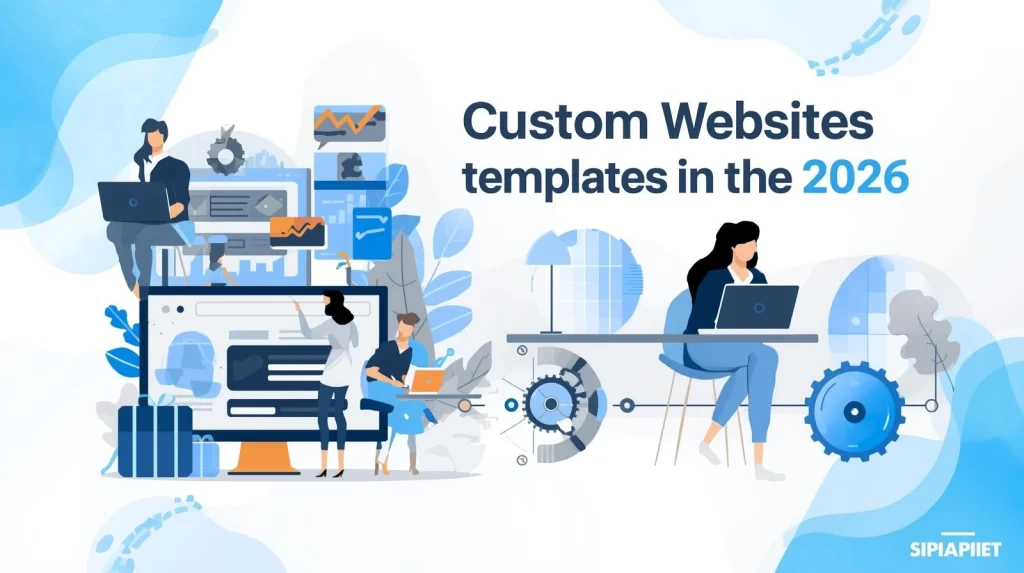
Why Custom Websites Are Still Better than Templates in 2026
Have you ever felt that your website just isn’t standing out as much as you’d like it to?
Maybe you’ve tried using a template, only to realize it lacks that personal touch. In 2026, businesses continue to face a dilemma: should they opt for a custom website design or settle for the convenience of pre-built templates? With the rise of no-code website builders and cheap templates, the temptation to cut corners is greater than ever. But is it worth it?
The truth is, a custom website design still outshines templates for a multitude of reasons. Whether it’s about enhancing user experience, boosting SEO performance, or reflecting your unique brand identity, custom designs offer unparalleled advantages. This article will delve into why custom websites are still better than templates in 2026, helping you make an informed decision about your digital presence.
Professional Website Development & SEO Services – Grow Online Fast
Why Do Businesses Choose Custom Website Designs?
What Makes Custom Website Designs Unique?
Custom websites are designed from scratch with your unique needs in mind, unlike template-based designs that follow a one-size-fits-all approach. Custom websites allow full creative freedom, enabling businesses to craft a design that speaks directly to their target audience and aligns with brand messaging. Templates, on the other hand, have predefined structures that limit flexibility and uniqueness.
Pro Tip: Opting for a custom design means that your website won’t look like thousands of others on the internet, which is often the case with widely-used templates.
How Does a Custom Design Enhance User Experience?
A custom website allows you to tailor the user experience (UX) to the specific needs of your visitors. From navigation to speed, everything can be optimized to keep users engaged. With templates, you’re constrained by the design elements the template offers, and often, this results in a less-than-optimal user experience.
For example, a custom website allows businesses to structure content in a way that enhances readability and guides users through the sales funnel. With templates, certain design elements like CTA buttons or placement of forms may not be optimized for user interaction.
Real-World Example: One e-commerce business that opted for a custom-built website saw a 30% increase in conversions after optimizing the UX flow and designing product pages that were intuitive and aligned with user behavior.
How Do Custom Websites Contribute to Better SEO?
SEO is critical for ranking on Google and driving organic traffic to your site. With custom websites, you have complete control over key SEO elements, such as meta tags, image optimization, and URL structures. Templates often come with pre-determined SEO configurations that may not be ideal for your unique needs.
Custom sites also allow for faster load times and better mobile responsiveness, both of which are crucial factors in Google’s ranking algorithm. Templates might not be built with SEO best practices in mind, and they may require more customization to become SEO-friendly.
Statistic: According to a study by Neil Patel, websites that load in under 3 seconds have a 32% higher conversion rate. Custom sites can be optimized for speed far more easily than templates.
[showdpt instance=”0″]
Can Custom Websites Scale as Your Business Grows?
As your business expands, so should your website. Custom websites are built to grow with your business, offering scalability that templates can’t provide. Whether you need to add new features, integrate third-party tools, or handle increased traffic, custom websites can accommodate these needs without compromising performance.
Templates may not offer the flexibility to scale, often leading to the need for a costly redesign once your business outgrows its initial design.
Expert Insight: “When businesses choose templates, they’re essentially boxing themselves in, limiting future growth. A custom-built website provides the flexibility necessary to evolve alongside the business,” says Web Design Expert, Sarah Miller.
What About the Cost Difference?
While custom websites tend to cost more upfront, they are often more cost-effective in the long run. Templates may appear cheaper at first glance, but businesses may incur hidden costs over time. These costs include purchasing premium templates, plugins, and spending more time on customization. In contrast, a custom website is built to last and requires fewer future adjustments.
For startups and businesses on a tight budget, this may seem like a tough call. However, investing in a custom design can save on long-term costs, especially if you plan to scale your business or need specific functionality.
Why Is Branding Important, and How Does a Custom Design Help?
Branding is one of the most crucial elements of any business, and your website should be a direct reflection of your brand identity. With a custom design, you can ensure that every element, from colors to typography, aligns with your brand vision. Templates often force you into using generic designs that fail to represent your business’s unique personality.
Real-World Example: A fashion retailer who switched to a custom design saw a 40% increase in brand engagement. Their website was tailored to reflect their exclusive brand, which made customers feel more connected to their products.
How Do Custom Websites Provide Better Security?
Security is a top concern for any business, especially with the increasing number of cyber threats. Custom websites allow developers to implement tailored security protocols based on your specific needs. On the other hand, template-based websites often have vulnerabilities due to the use of pre-built code that many hackers know how to exploit.
With a custom website, you can implement encryption, secure payment gateways, and other necessary security features. Moreover, ongoing updates and maintenance can be tailored to your security needs.
Conclusion
In 2026, while website templates may still have their place for basic projects, custom website designs remain the superior choice for businesses looking for flexibility, scalability, and a truly unique digital presence. The ability to optimize user experience, enhance SEO, grow with your business, and maintain brand consistency are just a few of the many advantages a custom design offers.
If you’re ready to elevate your business’s digital presence, it’s time to move beyond templates and invest in a custom website that will grow with you. Whether you’re looking to build a stunning e-commerce platform, a sleek corporate site, or a dynamic blog, a custom design offers unmatched potential.
FAQ
1. What’s the main difference between a custom website and a template-based website?
A custom website is built from scratch, tailored to your business’s specific needs and goals, while template-based websites are pre-designed and require minimal customization.
2. Are custom websites more expensive than templates?
Yes, custom websites typically cost more upfront, but they provide greater value in terms of flexibility, scalability, and long-term ROI.
3. How long does it take to build a custom website?
A custom website typically takes anywhere from 6 to 12 weeks, depending on the complexity of the project, whereas templates can be up and running much faster.
4. Can I make changes to my custom website in the future?
Yes, custom websites are highly flexible and can be easily updated or modified as your business grows and your needs evolve.
5. Is SEO better with custom websites?
Yes, custom websites allow for better optimization of SEO elements, providing more control over ranking factors compared to template-based websites.
6. How secure are custom websites compared to templates?
Custom websites offer more robust security features, tailored to your business’s specific needs, reducing vulnerabilities that are common in template-based designs.
7. Can a custom website help improve my branding?
Absolutely. A custom website allows you to design a site that fully aligns with your brand’s identity, helping to build stronger connections with your audience.