
Android App Development: Key Trends for 2026
Android App Development Trends for 2026 are shaping the future of mobile technology. As Android app development continues to evolve, businesses and developers face exciting opportunities. From AI-powered features to seamless integrations, these Android development trends are redefining user experiences.
In this post, we’ll explore the Android App Development Trends for 2026, helping entrepreneurs, developers, and marketers understand where the future of Android app development is heading.
Are you ready for the future of mobile app development? As Android app development continues to evolve, businesses and developers alike face an exciting landscape full of opportunities and challenges. From AI-powered features to seamless integrations, the trends shaping Android apps in 2026 are setting the stage for a new era in mobile technology. But what exactly should you be focusing on?
In this post, we’ll explore the key trends that are revolutionizing Android app development and how businesses can leverage them to stay ahead of the competition. Whether you’re an entrepreneur, developer, or marketer, understanding these trends will help you adapt and grow in an increasingly mobile-first world.
By the end of this article, you’ll have a clear roadmap for integrating the latest Android app development trends into your business strategy.
Professional Website Development & SEO Services – Grow Online Fast
1. AI and Machine Learning Integration
Why AI in Android Apps is a Game Changer
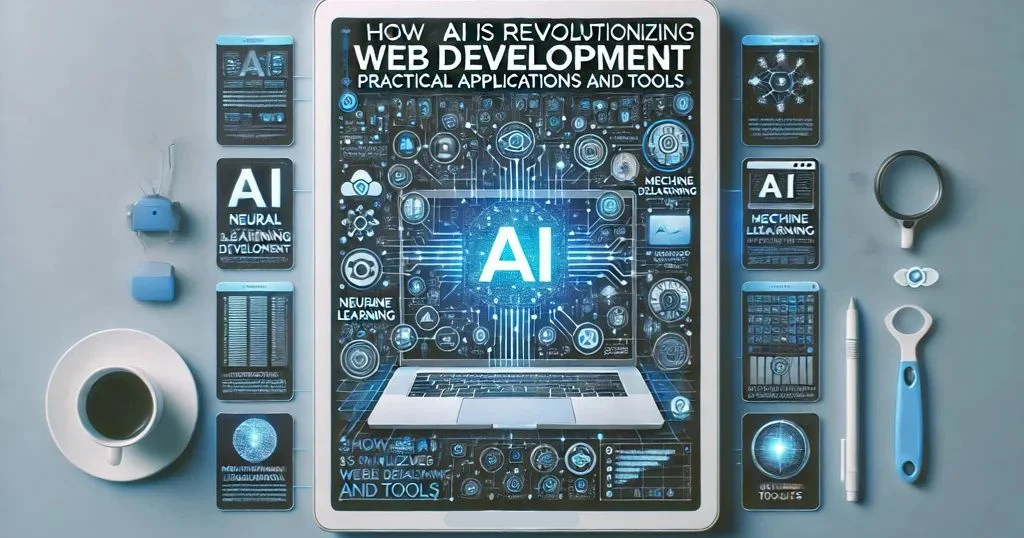
AI and Machine Learning are becoming central to Android apps, making them smarter and more adaptive. AI in Android apps allows personalization, predictive behavior, and improved user interface. From voice recognition to intelligent user interfaces, AI is revolutionizing how apps interact with users. Machine learning allows apps to predict user behavior, personalize content, and improve functionality based on real-time data.
Key Benefits:
- Smarter user experiences: AI-powered apps learn from user interactions, offering personalized recommendations, enhanced security features (such as facial recognition), and adaptive UI/UX.
- Efficiency: Automation through AI reduces operational costs and improves app performance by analyzing user data and adjusting features accordingly.
Pro Tip:Use frameworks like TensorFlow Lite to integrate AI in Android apps, following the top Android App Development Trends for 2026
2. 5G and Faster Connectivity
The Power of 5G in App Development
5G technology is set to transform mobile experiences with ultra-fast speeds and low latency. For Android apps, this means faster download speeds, smoother streaming, and more responsive gaming experiences. As more regions adopt 5G, developers will need to optimize their apps for 5G to unlock new capabilities that were previously impossible with slower networks.
Key Benefits:
- Real-time features: 5G enables apps to offer real-time experiences, from high-definition video conferencing to augmented reality (AR) and virtual reality (VR) integrations.
- Improved app performance: Reduced lag and improved bandwidth handling will allow for higher-quality media consumption, gaming, and seamless cloud computing.
Expert Insight: With the rollout of 5G networks, apps focused on video streaming, AR, and IoT devices will thrive. Developers should optimize their apps for both speed and scalability, taking full advantage of this next-generation connectivity.
3. Foldable Devices and Multi-Window Support
Designing for New Android Devices
Foldable devices are becoming more mainstream, with Android manufacturers like Samsung and Motorola leading the charge. These devices offer a unique opportunity for developers to create innovative app experiences that adapt to different screen sizes and orientations.
Key Benefits:
- Enhanced usability: Apps can provide richer, more dynamic experiences, such as splitting screens for multi-tasking or switching from phone to tablet mode for enhanced media consumption.
- New design paradigms: Developers will need to rethink their app’s layout, utilizing flexible UIs that adapt seamlessly to multiple screen sizes.
Pro Tip: Embrace Android’s native multi-window support and test your app’s adaptability to both foldable and non-foldable screens to future-proof your designs.
4. Augmented Reality (AR) and Virtual Reality (VR)
AR and VR: The Next Frontier for Android Apps
AR and VR are no longer just buzzwords. They’re becoming central to a wide range of applications, from gaming and entertainment to education and retail. The development of ARCore by Google is making it easier for Android developers to integrate augmented reality features into their apps.
Key Benefits:
- Immersive experiences: AR allows users to overlay digital content onto the real world, enhancing shopping, gaming, and educational apps.
- Engagement: VR can take users to fully immersive environments, creating interactive and engaging experiences that are reshaping industries like gaming, healthcare, and real estate.
Example: IKEA’s app uses AR to let customers virtually place furniture in their homes before purchasing. This kind of functionality is only possible with robust AR integration.
5. App Security and Privacy Enhancements
Why Security Will Be a Top Priority
As cyber threats evolve, app security will be paramount in 2026. Android developers must focus on creating apps that prioritize user privacy and data protection. Google has already taken strides by introducing features like Scoped Storage in Android 11 to protect sensitive data, but the demand for even stricter data security protocols will only grow.
Key Benefits:
- Enhanced privacy: Android apps will incorporate features such as end-to-end encryption, two-factor authentication, and more robust data protection policies.
- Trust building: Apps with strong security measures are more likely to earn users’ trust, ensuring higher retention rates.
Expert Insight: Integrate privacy-focused features such as anonymous browsing, biometric authentication, and secure APIs to align with global data protection standards like GDPR.
6. App Performance Optimization with Kotlin
Kotlin: The Language of the Future
Kotlin, Google’s preferred programming language for Android, will continue to dominate in 2026. Known for its conciseness, safety, and interoperability with Java, Kotlin enables developers to write more efficient and maintainable code.
Key Benefits:
- Faster development: Kotlin’s concise syntax allows developers to write less code while achieving the same functionality, speeding up development cycles.
- Better performance: Kotlin enhances app performance by reducing the likelihood of runtime errors and offering better support for modern programming paradigms like coroutines.
Pro Tip: If you’re not yet familiar with Kotlin, now’s the time to start. Its robust features and growing support from Google make it the future of Android development.
7. Cross-Platform App Development
Why Cross-Platform Development is Gaining Ground
As businesses look to reduce development costs and reach wider audiences, cross-platform frameworks like Flutter and React Native have become essential. These frameworks allow developers to create apps for both Android and iOS with a single codebase, streamlining development processes.
Key Benefits:
- Cost-effectiveness: Instead of developing separate apps for Android and iOS, businesses can now launch on both platforms simultaneously, reducing overall development time and cost.
- Consistency: Cross-platform development ensures consistent user experiences across both Android and iOS, improving user satisfaction.
Example: The popular app Google Ads was built using Flutter, offering a unified experience across both Android and iOS devices.
Conclusion
As Android app development evolves, businesses need to stay ahead of emerging trends to maintain a competitive edge. From AI integration to 5G capabilities and AR/VR applications, these trends are shaping the future of mobile experiences. By adopting these technologies, businesses can not only enhance user satisfaction but also unlock new opportunities for growth in 2026 and beyond.
Call to Action: Are you ready to take your Android app development to the next level? Start exploring these trends today and position your app for success in 2026!
FAQ Section
-
What are the key trends in Android app development for 2026?
Key trends include AI and machine learning integration, 5G adoption, foldable devices, AR/VR, Kotlin, and cross-platform development. -
How will 5G impact Android app development?
5G will enable faster speeds and lower latency, leading to enhanced real-time features, improved media consumption, and better overall app performance.
-
Why is Kotlin important for Android app development?
Kotlin is the preferred programming language for Android, offering better performance, faster development cycles, and enhanced security features
-
What is the role of AR/VR in Android app development?
AR and VR will provide immersive user experiences, transforming industries like gaming, retail, and education. -
How can businesses ensure their Android apps are secure?
Implementing features like end-to-end encryption, two-factor authentication, and adhering to data protection standards like GDPR will enhance app security - What are the advantages of cross-platform app development Cross-platform development frameworks like Flutter and React Native allow businesses to save time and resources by creating apps for both Android and iOS with a single codebase.
7. How can Android app developers stay ahead in 2026?
Staying updated on the latest trends such as AI, 5G, Kotlin, and AR/VR and adopting new technologies will help developers create cutting-edge apps.