Are you ready for the future of web development? As technology evolves at a rapid pace, so do the tools, techniques, and trends that shape the way we build websites and web applications. Whether you’re a business owner looking to enhance your online presence or a full-stack developer exploring the latest innovations, the future of web development offers exciting possibilities.
The web development industry is constantly evolving, driven by advancements in technologies and changing user expectations. From artificial intelligence to progressive web apps, staying ahead of the trends is crucial for success in the digital landscape. In this blog post, we will explore the key trends in web development that are expected to shape the future of website development services, website design and development, and full-stack development, with a focus on both Pakistan and the USA. You’ll learn how to implement these trends into your web development strategy to stay ahead of the competition.
1. Why Should You Care About the Future of Web Development?
The world of web development is evolving rapidly, and understanding the future trends is not just a luxury—it’s a necessity. Companies that fail to adapt may risk falling behind competitors. According to a Statista report, by 2026, the global web development services market is expected to grow at a compound annual growth rate (CAGR) of 5.5%, with businesses prioritizing faster, more scalable, and user-friendly websites.
If you’re a website development company in Pakistan or the USA, understanding these trends will help you cater to your clients’ needs more effectively. As a full-stack developer, it is essential to integrate the latest technologies to build websites and applications that not only look great but also perform optimally across devices and platforms. The future of web development is about creating faster, more personalized experiences while keeping security and usability at the forefront.
2. What Are Progressive Web Apps (PWAs) and Why Are They Important?
The Rise of PWAs: The New Era of Mobile-Friendly Websites
Progressive Web Apps (PWAs) are transforming the way websites interact with users. These apps combine the best features of both websites and native mobile apps, offering an app-like experience through the browser. PWAs can work offline, load faster, and send push notifications—features once exclusive to native apps.
For businesses in both Pakistan and the USA, incorporating PWAs into your website design and development strategy can significantly improve user engagement and conversion rates. Companies like Twitter and Alibaba have already leveraged PWAs to enhance performance, showing a notable increase in user retention and sales.
Pro Tip: Start by assessing which pages of your website can benefit from offline access or faster load times. By integrating PWA technology, you can enhance user experiences, especially for mobile users, which account for over 50% of web traffic globally.
3. How Will Artificial Intelligence Shape Web Development?
AI-Powered Web Development: Efficiency and Personalization
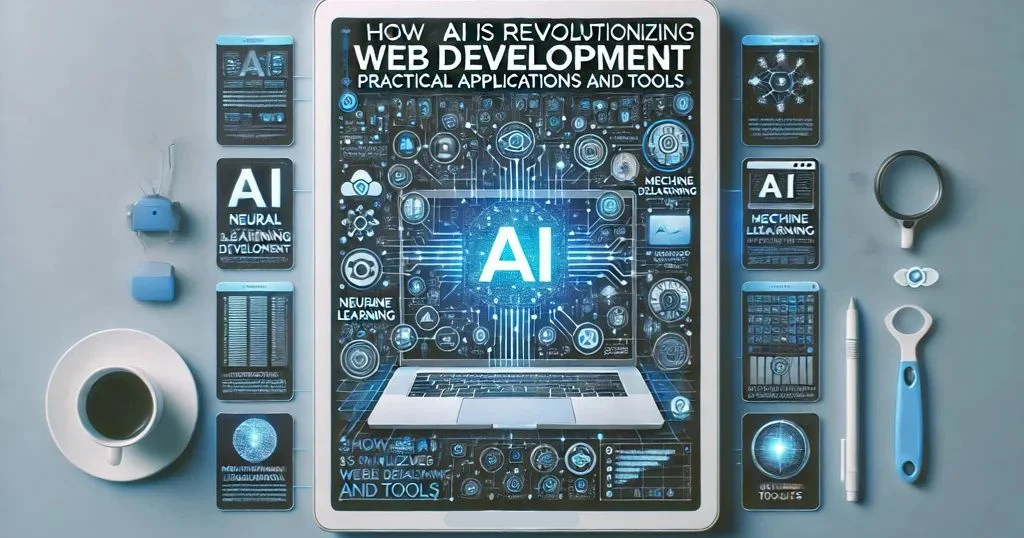
Artificial Intelligence (AI) is playing a pivotal role in the future of web development. From automating repetitive tasks to enhancing user personalization, AI is revolutionizing how websites are built and maintained. AI-driven tools like chatbots, personalized content recommendations, and automated web design systems are making websites smarter and more interactive.
In web development services, AI tools can help developers analyze user behavior to deliver highly tailored content or experiences. For instance, AI can predict the best layout for your website based on user interaction data, thereby improving engagement. Additionally, AI-powered website builders allow small businesses in Pakistan and the USA to create professional-looking websites without the need for coding expertise.
Pro Tip: Leverage AI-based analytics tools to monitor your website’s performance in real-time, providing insights into user behavior and site optimization.
4. What Is the Role of Full-Stack Development in the Future?
The Growing Demand for Full-Stack Developers
Full-stack development continues to be a critical component of modern web development. Full-stack developers are responsible for both the front-end and back-end aspects of a website, providing businesses with a holistic approach to web development.
As businesses demand more complex, scalable, and interactive web applications, the need for skilled full-stack developers is skyrocketing in both Pakistan and the USA. Full-stack developers will be expected to work with emerging technologies such as AI, machine learning, and blockchain, integrating them into web applications to enhance functionality and security.
For example, Spotify uses full-stack development to create a seamless music streaming experience. The integration of back-end services with a clean, intuitive front-end ensures a smooth user experience.
Pro Tip: If you’re a full-stack developer, stay updated on frameworks like React.js, Node.js, and GraphQL, as these technologies are essential for building modern web applications.
5. How Does the Rise of Voice Search Affect Web Development?
Optimizing for Voice Search: A New Dimension in SEO
As voice search continues to gain popularity, it’s crucial for web developers to adapt websites for voice-enabled devices like Amazon Echo, Google Assistant, and Apple’s Siri. The increasing use of voice search is reshaping how websites should be optimized for SEO.
For website development companies in the USA and Pakistan, optimizing websites for voice search can be a key differentiator. By focusing on conversational keywords and natural language processing, developers can help businesses rank higher in voice search results. Voice search optimization involves simplifying content, using FAQs, and ensuring your website loads quickly.
Pro Tip: Implement structured data and schema markup to make your website more discoverable through voice search. This will enhance your visibility and accessibility on voice-enabled devices.
6. How Will Cybersecurity Influence Web Development in the Future?
The Growing Importance of Web Security
With data breaches becoming more frequent, web developers must prioritize security in their designs. The future of web development is centered around creating secure and reliable websites to protect user data and maintain trust.
For businesses in both Pakistan and the USA, cybersecurity is no longer optional. Implementing SSL certificates, multi-factor authentication (MFA), and regular security audits is crucial to safeguarding sensitive information and meeting regulatory requirements like the GDPR.
Pro Tip: Regularly update your website’s security protocols and stay ahead of potential threats by utilizing tools like Web Application Firewalls (WAFs) and Intrusion Detection Systems (IDS).
7. What Is the Role of No-Code and Low-Code Development in the Future?
No-Code Platforms: Empowering Non-Developers
The rise of no-code and low-code development platforms is making web development more accessible. These platforms allow non-technical users to create and customize websites without writing any code. This democratization of web development is enabling small businesses and startups in Pakistan and the USA to develop high-quality websites without hiring a full development team.
Examples like Webflow, Wix, and Bubble empower users to build fully functional websites and apps with minimal technical expertise. This trend is expected to grow in the coming years, especially in regions with a large entrepreneurial community, like Pakistan and the USA.
Pro Tip: While no-code platforms are great for prototyping or small projects, ensure you have a skilled developer on hand for complex features or customizations that go beyond the platform’s capabilities.
Conclusion:
The future of web development is bright, with innovative technologies and strategies set to redefine how businesses interact with their audiences. By staying ahead of trends like Progressive Web Apps, AI integration, voice search optimization, and cybersecurity, businesses in both Pakistan and the USA can ensure that their websites remain competitive, secure, and user-friendly.
Whether you’re a full-stack developer, a website development company, or a business owner, adopting these trends will help you deliver more engaging and personalized experiences for your users. The future is now, and by embracing these technologies, you’ll be positioned to thrive in the rapidly evolving digital landscape.
FAQ Section
1. What is a Progressive Web App (PWA)?
A PWA is a web application that behaves like a mobile app but is built using standard web technologies. It offers offline capabilities, fast loading speeds, and push notifications, making it ideal for businesses looking to improve user engagement.
2. How can AI improve web development?
AI can automate repetitive tasks, enhance user personalization, and provide real-time insights into website performance. Tools powered by AI help developers design smarter websites by analyzing user behavior and optimizing content delivery.
3. Why should businesses care about voice search optimization?
With the increasing use of voice-enabled devices, optimizing for voice search ensures that your website ranks higher in voice queries. This involves using natural language keywords and making your content conversational.
4. What is full-stack development?
Full-stack development involves both the front-end (what users see) and back-end (server-side logic) of a website or application. Full-stack developers are responsible for building all layers of a web application, making them crucial to modern web development.
5. How can no-code platforms help my business?
No-code platforms allow non-technical users to create websites or applications without writing code. They’re perfect for small businesses looking to launch quickly with a limited budget. However, for more complex needs, a skilled developer may be necessary.
6. What are some common cybersecurity threats for websites?
Common cybersecurity threats include data breaches, DDoS attacks, and SQL injection. Web developers must implement security measures like SSL certificates, encryption, and regular security audits to safeguard websites from these threats.