How IRIS FBR Integration Will Evolve in 2026: The Future of Tax Filing in Pakistan
Have you ever felt overwhelmed by the complexity of tax filing in Pakistan?
You’re not alone. With the introduction of the IRIS FBR integration, tax filing has become more streamlined—but it’s also evolving rapidly. By 2026, we can expect the process to be far more sophisticated, efficient, and user-friendly.
As business owners and professionals, the stakes are high. The future of tax filing is moving towards a fully automated system, making it crucial for you to stay ahead of the game. This post will explore how IRIS FBR integration is evolving and how it will revolutionize tax filing for businesses in Pakistan.
In this article, you will discover:
- Key trends shaping the future of IRIS FBR Integration.
- How automated tax filing can save you time and reduce errors.
- What you need to know about upcoming changes and how to prepare.
Professional Website Development & SEO Services – Grow Online Fast
What is IRIS FBR Integration and Why Is It Important?
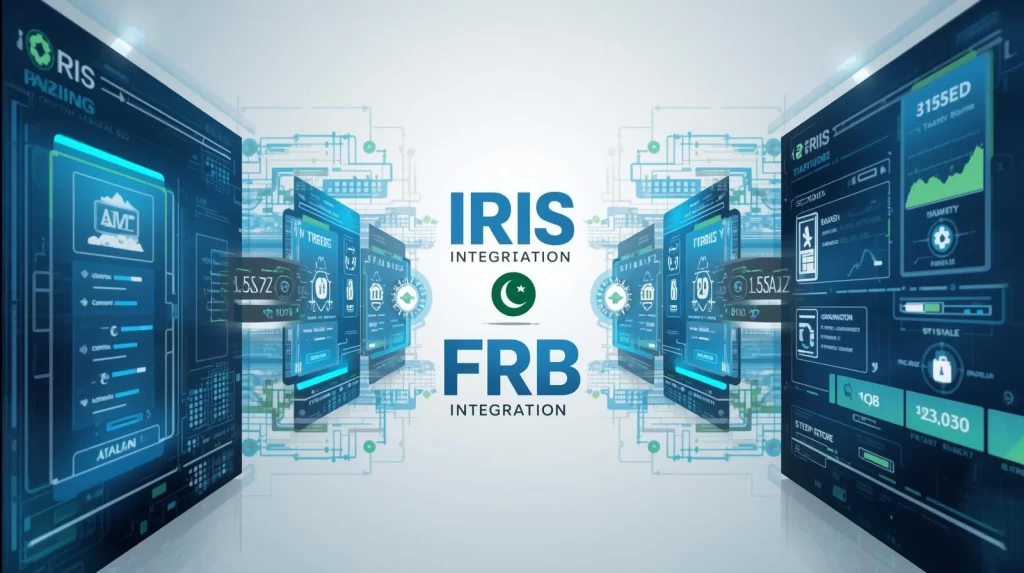
Before diving into its evolution, let’s quickly review what IRIS FBR integration is. The IRIS (Integrated Risk Information System) is an online portal created by the Federal Board of Revenue (FBR) in Pakistan. It’s a system designed to streamline tax filing, making it more transparent and less time-consuming.
With IRIS FBR Integration, businesses can electronically file their tax returns, making the entire process more automated and efficient. This system allows businesses to interact directly with FBR, reducing manual errors, and promoting accurate and timely submissions.
How Will IRIS FBR Integration Evolve by 2026?
The evolution of IRIS FBR Integration is expected to be driven by advancements in technology, particularly artificial intelligence (AI), machine learning, and blockchain. These technologies will automate more aspects of tax filing, reducing manual interventions and human errors.
Pro Tip: By 2026, businesses will be able to file their taxes with a single click, as AI will automatically populate forms based on real-time data.
Here’s what you can expect:
- Advanced automation: AI-driven tools will analyze your financial data, categorize transactions, and even suggest deductions automatically.
- Blockchain Integration: Ensuring more secure, transparent, and tamper-proof transactions.
- Real-time updates: Businesses will receive instant updates on the status of their returns and any required actions.
The Role of AI in the Future of IRIS FBR Integration
AI is not just a buzzword; it’s a game changer for tax filing. By 2026, the IRIS FBR Integration will leverage machine learning to improve accuracy, efficiency, and user experience.
- Smart Data Recognition: AI will recognize financial data from invoices, receipts, and bank statements and automatically input it into the system.
- Predictive Analytics: AI will predict your tax liabilities based on your historical data, helping you plan better.
- Error Detection: Advanced algorithms will detect inconsistencies or errors in your filings and provide suggestions for correction.
Expert Insight: AI will drastically reduce the risk of fraud and errors, providing a more accurate tax filing system for businesses.
[showdpt instance=”5″]
Blockchain and Its Impact on IRIS FBR Integration in 2026
Blockchain technology is making its way into tax systems around the world, and Pakistan is no exception. In the near future, IRIS FBR Integration will benefit from blockchain’s immutable, secure ledger system.
Here’s how blockchain will enhance IRIS FBR Integration:
- Transparency: Every transaction made will be securely recorded, ensuring transparency and reducing the potential for corruption.
- Enhanced Security: Blockchain will encrypt your sensitive financial data, reducing the risk of breaches.
- Faster Transactions: Blockchain’s decentralized nature will streamline tax payment processing, eliminating intermediaries and reducing transaction times.
Real-World Example: Countries like Estonia have already incorporated blockchain into their tax systems, and Pakistan is expected to follow suit, improving trust and security in the process.
The Shift Towards Real-Time Tax Filing in Pakistan
As we approach 2026, real-time tax filing will become a reality. The FBR will integrate real-time data from businesses, making tax filing an ongoing process rather than an annual event.
This system will be powered by continuous data feeds from your accounting software, invoices, and bank statements. Instead of waiting until the end of the year to file your taxes, the system will update your tax status regularly, ensuring compliance throughout the year.
Proposed Tax Filing Features in 2026
By 2026, here are some features businesses can expect from the IRIS FBR integration:
- Auto-population of tax returns based on real-time data.
- Instant tax assessments with AI suggestions for deductions and exemptions.
- Cloud-based tax storage, making it easier to access your tax documents anytime.
- Seamless integration with ERP systems, allowing businesses to file taxes directly from their accounting software.
Expert Tip: To prepare for these changes, ensure your business software is compatible with the IRIS FBR Integration to enable automatic data sync.
The Benefits of IRIS FBR Integration for Businesses
Adopting the IRIS FBR Integration system by 2026 will bring multiple benefits for businesses in Pakistan:
- Time Savings: Automated processes will eliminate the need for manual data entry, saving hours each month.
- Increased Accuracy: AI and machine learning will ensure fewer errors and more accurate filings.
- Improved Compliance: Real-time updates will keep you on top of your tax obligations, reducing the risk of penalties.
Pro Tip: Stay ahead by integrating AI-driven accounting tools with IRIS FBR to ensure automatic, error-free tax filing.
Challenges and How to Overcome Them
While the evolution of IRIS FBR Integration holds great promise, there are a few challenges that businesses may face:
- Technical Barriers: Smaller businesses may struggle with the technical requirements of integration.
- Training Needs: Companies will need to train their staff to operate the new automated systems.
- Data Security: While blockchain enhances security, businesses still need to take precautions to protect their sensitive data.
Actionable Tip: Invest in training for your team and consult with a tax professional to ensure a smooth transition to the new system.
Conclusion: What’s Next for IRIS FBR Integration?
In conclusion, IRIS FBR Integration will continue to evolve, making tax filing faster, more accurate, and more secure by 2026. With AI, blockchain, and real-time data integration, businesses in Pakistan will be better equipped to meet their tax obligations efficiently and without hassle.
Next Steps:
- Ensure your accounting software is compatible with IRIS FBR.
- Start preparing for automation by exploring AI-driven tools.
- Keep an eye on updates from FBR regarding the integration of blockchain and real-time tax filing.
FAQ Section
1. What is IRIS FBR Integration?
IRIS FBR Integration is an online system developed by the Federal Board of Revenue (FBR) to simplify tax filing for businesses in Pakistan. It automates the process, reducing errors and ensuring timely submissions.
2. How will AI impact tax filing by 2026?
AI will automate tax data entry, error detection, and predict tax liabilities. It will significantly reduce human error and improve the overall efficiency of the tax filing process.
3. Is blockchain going to be part of IRIS FBR Integration?
Yes, blockchain will be incorporated to enhance the security, transparency, and speed of tax transactions by 2026.
4. What are the main benefits of the IRIS FBR Integration for businesses?
The key benefits include time savings, increased accuracy, and improved compliance with real-time updates.
5. How can businesses prepare for the upcoming changes in IRIS FBR Integration?
Businesses should ensure their accounting software integrates with IRIS, train staff on the new system, and invest in AI-driven tools for smoother tax filings.