What if you could have a digital version of your manufacturing process that can simulate real-world conditions, predict issues, and optimize performance before making any changes? That’s where the concept of Digital Twins comes into play. By creating highly accurate virtual models in manufacturing, businesses can monitor, simulate, and improve their physical operations in a way that was once only imaginable. As we look toward the future, Digital Twins are playing an increasingly crucial role in Smart Manufacturing and Industry 4.0, transforming how manufacturers approach production, maintenance, and innovation.
But what exactly are Digital Twins, and how are they shaping the future of manufacturing? Let’s explore this revolutionary technology and its impact on the manufacturing landscape.
Professional Website Development & SEO Services – Grow Online Fast
What Are Digital Twins and How Do They Work?
At its core, a Digital Twin is a virtual replica of a physical object, system, or process. It takes real-time data from sensors embedded in the physical object and mirrors it in the digital world. These digital models can be used to monitor, analyze, and simulate real-world conditions and performance. The idea is simple but powerful: by creating an exact virtual representation of your manufacturing assets, processes, or even entire factories, you can understand how they behave, identify inefficiencies, and make data-driven decisions.
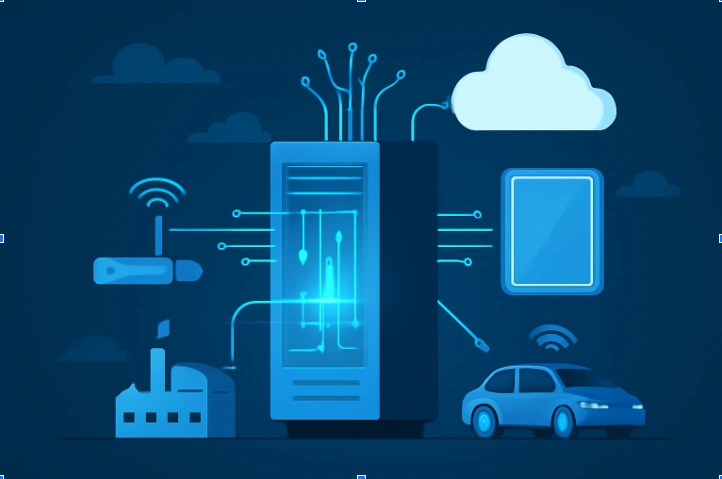
In manufacturing, Digital Twins are powered by IoT (Internet of Things) sensors that continuously collect data from machines, production lines, or supply chains. This data is sent to the digital twin, which then replicates the behavior of the physical asset in real time. Engineers and operators can use this information to predict failures, optimize processes, and improve decision-making.
How Are Digital Twins Revolutionizing Smart Manufacturing?
Smart Manufacturing is an approach that uses digital technology, data, and automation to create more efficient, flexible, and intelligent production processes. Digital Twins play a pivotal role in this transformation by providing real-time visibility into every aspect of the manufacturing process.
- Enhanced Monitoring and Control: Traditional manufacturing systems often rely on periodic inspections and manual monitoring. However, Digital Twins enable continuous, real-time monitoring of manufacturing equipment and processes. For instance, machines and assembly lines equipped with sensors send data to their digital counterparts, which can flag potential issues, track performance, and predict future behaviors. This allows manufacturers to respond to problems before they escalate into major disruptions.
- Predictive Maintenance: One of the most significant advantages of Digital Twins in smart manufacturing is their ability to predict when equipment will fail. With real-time data collection and advanced analytics, manufacturers can create maintenance schedules based on the actual condition of equipment rather than relying on standard maintenance intervals. This approach, known as predictive maintenance, can reduce downtime, extend the lifespan of machinery, and lower repair costs.
- Optimizing Production Processes: In a factory, countless variables—temperature, humidity, pressure, material quality—affect the production process. Digital Twins simulate these variables in real-time, allowing manufacturers to optimize production workflows. By experimenting with different scenarios in the digital model, companies can discover efficiencies, adjust parameters, and fine-tune processes for maximum productivity without disrupting physical operations.
- Design and Prototyping: Digital Twins aren’t just for monitoring and maintenance; they can also be used in the design phase. Manufacturers can create virtual models of products or systems to test design ideas, prototype new features, and simulate how products will behave under different conditions. This reduces the time and cost involved in physical prototyping and ensures that products are designed to meet operational and safety standards from the get-go.
How Do Digital Twins Fit into Industry 4.0?
Industry 4.0, also known as the Fourth Industrial Revolution, refers to the integration of smart technologies such as IoT, artificial intelligence (AI), and automation into manufacturing processes. It aims to create “smart factories” that are highly automated, data-driven, and capable of making intelligent decisions without human intervention.
Digital Twins are a foundational component of Industry 4.0, enabling manufacturers to embrace this new era of smart technology. Here’s how Digital Twins contribute to Industry 4.0:
- Real-Time Data Analytics: In an Industry 4.0 environment, real-time data is crucial for decision-making. Digital Twins act as a bridge between the physical and digital worlds, feeding real-time data into advanced analytics platforms. By continuously monitoring the performance of machines and processes, Digital Twins provide actionable insights that can be used to optimize operations and improve efficiency.
- Automation and Autonomous Operations: One of the key goals of Industry 4.0 is to create factories that can operate autonomously with minimal human intervention. Digital Twins play a significant role in this process by providing the necessary data and insights for automation systems to make intelligent decisions. For example, a Digital Twin of a production line can trigger automatic adjustments to equipment settings or notify operators of issues requiring attention, all without human input.
- Supply Chain Optimization: In Industry 4.0, Digital Twins can be used to simulate and optimize supply chain processes. By creating digital replicas of supply chains, manufacturers can monitor the flow of materials, detect bottlenecks, and identify areas for improvement. This level of visibility helps companies become more agile, reduce lead times, and minimize inventory costs.
- Integration with Cloud and AI: The Digital Twin concept is further enhanced when combined with cloud computing and artificial intelligence. The cloud allows for massive amounts of data generated by IoT sensors to be stored and analyzed in real-time, while AI algorithms process this data to provide predictive insights. Digital Twins in Industry 4.0 can leverage both cloud and AI technologies to continuously optimize manufacturing processes.
What Are the Benefits of Using Digital Twins in Manufacturing?
The benefits of Digital Twins in manufacturing are far-reaching, improving everything from operational efficiency to product design and customer satisfaction. Here’s a breakdown of the top Digital Twin benefits for manufacturers:
- Improved Efficiency: By simulating and analyzing manufacturing processes, Digital Twins help identify inefficiencies and areas for improvement. This can lead to better resource allocation, faster production cycles, and reduced downtime, ultimately boosting productivity and profitability.
- Cost Savings: With the ability to predict failures and optimize maintenance schedules, manufacturers can reduce unexpected downtime and lower repair costs. Additionally, by improving production workflows and streamlining processes, companies can cut waste and reduce operational costs.
- Increased Product Quality: Digital Twins allow manufacturers to test and refine products in a virtual environment before they are physically created. This leads to higher-quality products, as issues related to design or manufacturing can be addressed early in the process.
- Enhanced Collaboration: Digital models enable easier collaboration between teams in different locations. Engineers, designers, and managers can all work on the same digital twin, providing a single source of truth for the manufacturing process. This streamlines communication, reduces errors, and speeds up decision-making.
- Agility and Scalability: As market conditions change, Digital Twins provide manufacturers with the flexibility to adapt quickly. Changes to production schedules, resource allocation, or product designs can be tested and implemented in the digital world before being rolled out in the real world, ensuring faster and more accurate responses to changes in demand or market conditions.
What Challenges Do Manufacturers Face When Implementing Digital Twins?
While the potential of Digital Twins is vast, there are some challenges that manufacturers must address when implementing this technology:
- Data Integration: Digital Twins rely on real-time data from sensors and other connected devices, so integrating this data across different systems and platforms can be a challenge. Manufacturers must ensure that their data sources are accurate, consistent, and compatible with the digital twin model.
- Cost of Implementation: Developing and maintaining Digital Twins requires significant investment in sensors, IoT infrastructure, and software. For smaller manufacturers, the upfront costs of implementing a Digital Twin strategy may be a barrier to adoption.
- Security Concerns: As Digital Twins involve real-time data transmission between physical assets and digital models, manufacturers need to ensure that their systems are secure from cyber threats. Protecting sensitive manufacturing data from potential breaches is critical for ensuring the success of a Digital Twin initiative.
- Complexity of Simulation: While Digital Twins can simulate a wide range of scenarios, creating an accurate model of a complex manufacturing process can be challenging. Ensuring that the virtual model accurately mirrors the physical system requires continuous data updates and fine-tuning.
FAQs
1. What is a Digital Twin in manufacturing?
A Digital Twin is a virtual replica of a physical asset, process, or system used to simulate, monitor, and optimize real-world operations. It integrates real-time data from IoT sensors to create a digital model that mirrors the physical entity.
2. How do Digital Twins improve smart manufacturing?
Digital Twins enable smart manufacturing by providing real-time monitoring, predictive maintenance, and process optimization. They allow manufacturers to simulate scenarios, test design ideas, and improve decision-making, all while reducing downtime and improving productivity.
3. What role do Digital Twins play in Industry 4.0?
Digital Twins are integral to Industry 4.0, enabling real-time data analytics, automation, and autonomous operations. They help create smart, interconnected factories that optimize production processes, improve supply chain efficiency, and drive innovation.
4. What are the benefits of using Digital Twins in manufacturing?
The benefits of Digital Twins in manufacturing include improved efficiency, cost savings, enhanced product quality, better collaboration, and increased agility and scalability.
5. What challenges do manufacturers face when implementing Digital Twins?
Challenges include data integration, the cost of implementation, security concerns, and the complexity of simulating accurate models for complex systems.
Conclusion
Digital Twins are revolutionizing smart manufacturing by creating highly accurate virtual models in manufacturing that simulate, monitor, and optimize real-world operations. As part of Industry 4.0, Digital Twins are helping manufacturers achieve greater efficiency, reduce costs, and improve product quality. While challenges remain in implementing this technology, the benefits far outweigh the obstacles, making Digital Twins a crucial component of the future of manufacturing. As the digital transformation of manufacturing continues to accelerate, Digital Twins will play a key role in shaping the factories of tomorrow.