
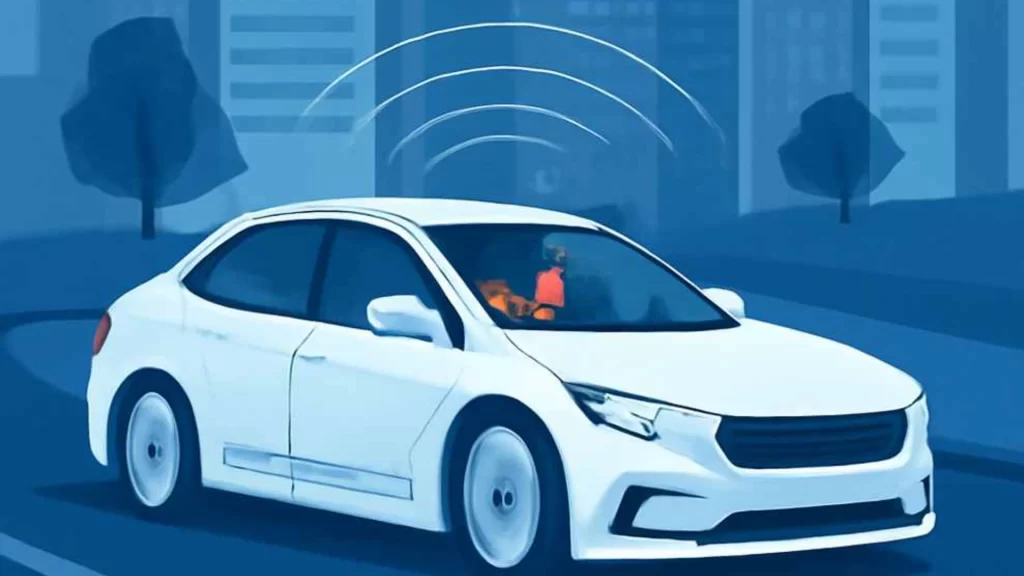
Have you ever imagined a world where traffic jams are a thing of the past, car accidents are minimized, and we can use travel time more productively? Welcome to the future of Autonomous Vehicles,transportation:. Self-driving cars are no longer a distant dream; they are becoming a reality, and their impact on transportation will be far-reaching. In this blog, we’ll explore how driverless cars are set to revolutionize transportation, the technologies behind them, and what the future holds for autonomous vehicles.
Professional Website Development & SEO Services – Grow Online Fast
What Are Autonomous Vehicles?
Autonomous vehicles, also known as self-driving cars or driverless cars, are vehicles that can operate without human intervention. These vehicles use a combination of sensors, cameras, artificial intelligence (AI), and machine learning algorithms to navigate, make decisions, and drive safely on the road. Autonomous vehicles can detect their surroundings, interpret traffic signals, and make split-second decisions, much like a human driver would, but without the risk of human error.
The goal of autonomous vehicles is to eliminate the need for human drivers altogether, offering a safer, more efficient, and more sustainable mode of transportation. There are different levels of autonomy, ranging from Level 1, where the vehicle assists the driver, to Level 5, where the car is fully autonomous and requires no human input.
How Do Autonomous Vehicles Work?
Autonomous vehicles rely on several key technologies to operate safely and efficiently. These include:
Sensors and Cameras: Autonomous vehicles are equipped with various sensors, such as LiDAR (Light Detection and Ranging), radar, and cameras, to detect objects, other vehicles, pedestrians, and obstacles in their environment. These sensors provide the vehicle with a 360-degree view of its surroundings, allowing it to navigate safely.
- Artificial Intelligence (AI): AI algorithms process data from the sensors and cameras to make decisions about speed, route, and navigation. The vehicle uses machine learning to improve its decision-making over time, learning from past experiences and adapting to new situations.
- Mapping and GPS: Autonomous vehicles rely on detailed maps and GPS systems to navigate their routes. The maps provide precise information about the road network, including traffic conditions, lane markers, and other critical information. The GPS ensures that the vehicle stays on course, even in complex environments.
- Vehicle-to-Vehicle (V2V) Communication: Autonomous vehicles can communicate with other vehicles on the road, allowing them to share information about traffic conditions, accidents, and road hazards. This communication helps improve safety and efficiency by enabling vehicles to react to changing conditions in real-time.
How Will Autonomous Vehicles Change Transportation?
One of the most compelling benefits of self-driving cars is the potential to significantly reduce accidents caused by human error. According to the National Highway Traffic Safety Administration (NHTSA), 94% of car accidents are due to human mistakes, including distracted driving, impaired driving, and fatigue. Autonomous vehicles, however, do not suffer from these issues, as they rely on sensors and algorithms to make decisions, ensuring that the car follows traffic rules and reacts quickly to dangerous situations. With autonomous vehicles, the hope is that accidents and fatalities will decrease, leading to safer roads for everyone.
- Reduced Traffic Congestion:
Another major impact of driverless cars will be the reduction in traffic congestion. Autonomous vehicles can communicate with one another, allowing them to maintain optimal speeds and spacing, thus preventing bottlenecks and reducing the need for abrupt braking or lane changes. Additionally, self-driving cars can navigate more efficiently, avoiding traffic jams and congestion, and potentially leading to shorter commute times. As a result, we could see smoother traffic flow, less time spent stuck in traffic, and reduced fuel consumption. - Increased Accessibility and Mobility:
Autonomous vehicles will also increase mobility for people who are unable to drive, such as the elderly, disabled individuals, and those without a driver’s license. With self-driving cars, these individuals will have greater freedom and independence, as they will no longer need to rely on others for transportation. This increased accessibility can improve the quality of life for many people, providing them with greater access to jobs, healthcare, social activities, and more.

- Environmental Impact and Sustainability:
The shift to autonomous vehicles could have a significant positive impact on the environment. Many autonomous vehicles are expected to be electric, helping to reduce greenhouse gas emissions and air pollution. Additionally, because autonomous vehicles are better at optimizing routes and driving efficiently, they can reduce fuel consumption. Moreover, driverless cars are likely to be integrated into shared mobility systems, reducing the number of privately owned vehicles on the road and decreasing the overall demand for parking spaces, which could further reduce urban sprawl and environmental degradation. - Disruption of Traditional Transportation Models:
The rise of autonomous vehicles is also likely to disrupt traditional transportation models, including car ownership, ride-sharing, and public transportation. With the widespread adoption of self-driving cars, the need for individual car ownership may decrease, as people can rely on shared autonomous vehicles for transportation. This could lead to the development of autonomous ride-sharing fleets, where individuals can summon a self-driving car through an app, much like the way ride-hailing services like Uber and Lyft work today. Additionally, public transportation systems may evolve to include autonomous buses and shuttle services, making transportation more efficient and cost-effective. - New Business Opportunities and Economic Growth:
The emergence of autonomous vehicles will create new business opportunities in various sectors, including technology, automotive manufacturing, insurance, logistics, and transportation services. Companies involved in developing autonomous driving technologies, such as AI and sensor systems, will see significant growth. Additionally, the rise of driverless cars will likely lead to innovations in urban planning, mobility solutions, and even new services like autonomous food delivery and transportation of goods. This economic growth could create jobs and drive new investments, transforming the global transportation industry.
What Challenges Do Autonomous Vehicles Face?
While the future of self-driving cars is promising, there are several challenges that must be addressed before they can become a widespread reality.
- Regulatory and Legal Issues
Governments and regulatory bodies need to establish clear rules and regulations for the use of autonomous vehicles. These include setting standards for safety, insurance, licensing, and liability in the event of an accident. Determining who is responsible in the case of a collision involving an autonomous vehicle—whether it’s the manufacturer, the software provider, or the vehicle owner—will require new legal frameworks. - Technological Limitations
Although autonomous vehicles have made significant progress, there are still some technological challenges to overcome. For example, self-driving cars may struggle in adverse weather conditions, such as heavy rain or snow, where sensors and cameras might not function optimally. Additionally, autonomous vehicles must be able to navigate complex urban environments, including busy intersections, construction zones, and unexpected obstacles. Continued advancements in AI, machine learning, and sensor technologies are necessary to address these limitations. - Public Acceptance and Trust
For autonomous vehicles to become mainstream, the public must trust the technology. Some people may be skeptical about the safety of driverless cars, particularly in situations where human intervention is required. Overcoming these concerns will require extensive testing, transparent communication about the technology’s capabilities, and public education campaigns to build confidence in self-driving cars. - Infrastructure and Integration
To fully realize the potential of autonomous vehicles, cities and road networks will need to be adapted. Infrastructure improvements, such as smart traffic signals, dedicated lanes for autonomous vehicles, and enhanced vehicle-to-vehicle communication systems, will be necessary to support the smooth integration of self-driving cars. Additionally, cities will need to plan for the potential reduction in the number of privately owned cars and the increased demand for shared mobility solutions.
When Will Autonomous Vehicles Be Widely Available?
The timeline for the widespread adoption of autonomous vehicles is still uncertain. While some self-driving cars are already being tested on public roads and certain companies, like Tesla, are integrating autonomous driving features into their vehicles, fully autonomous vehicles are not yet available for public use on a large scale. It is expected that autonomous vehicles will be rolled out gradually, with different levels of autonomy (Levels 1-5) being introduced in phases.
Experts predict that we may see autonomous vehicles in some cities and specific use cases (like autonomous taxis or shuttle services) within the next 5 to 10 years. However, full-scale adoption, where driverless cars are available for everyday use, could take longer, possibly 15 years or more, depending on technological, regulatory, and public acceptance factors.
Conclusion
The rise of autonomous vehicles is set to redefine the future of transportation. From improving safety and reducing traffic congestion to offering greater mobility for all, self-driving cars have the potential to revolutionize how we travel. While there are still challenges to overcome, including regulatory hurdles, technological limitations, and public trust, the future of driverless cars looks promising. As technology continues to advance and cities adapt to these changes, the world will undoubtedly experience a major shift in the way we think about and use transportation.
FAQs About Autonomous Vehicles
1. What are autonomous vehicles?
Autonomous vehicles, also known as self-driving cars, are vehicles that can drive without human input using a combination of sensors, AI, and machine learning.
2. How do autonomous vehicles work?
They use a variety of sensors, cameras, and AI algorithms to detect their surroundings, make decisions, and navigate safely.
3. What are the benefits of autonomous vehicles?
The main benefits include improved safety, reduced traffic congestion, increased accessibility for non-drivers, and a positive environmental impact through reduced emissions.
4. When will autonomous vehicles be available?
While self-driving cars are already being tested, widespread availability could take 5 to 15 years, depending on technological advancements and regulatory approval.
5. What challenges do autonomous vehicles face?
Challenges include regulatory hurdles, public trust, technological limitations, and the need for infrastructure improvements.
6. How will autonomous vehicles impact the economy?
The growth of autonomous vehicles will create new jobs and business opportunities, especially in AI, sensor manufacturing, and autonomous ride-sharing services.