
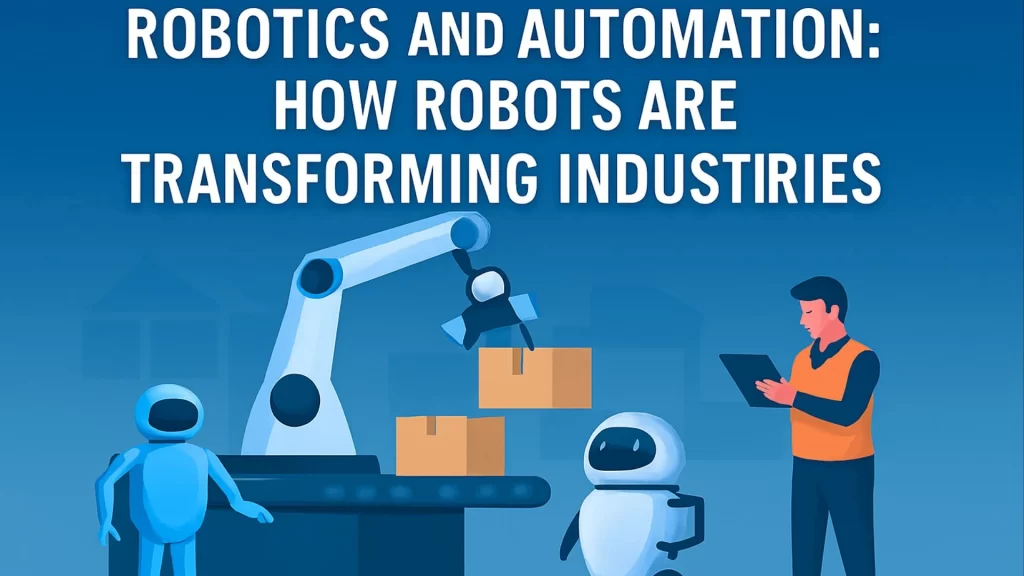
In today’s fast-paced world, industries are evolving at an unprecedented rate. But what is driving this transformation? The answer lies in robotics and automation. As technological advancements continue to accelerate, robots are becoming an integral part of various industries.
But how exactly are robots transforming industries, and why is industrial automation gaining so much attention? Let’s explore the latest robotics trends, the impact of automation in manufacturing, and how robots in industry are changing the way we work.
Professional Website Development & SEO Services – Grow Online Fast
What Are the Latest Robotics Trends?
In recent years, robotics has experienced significant breakthroughs that are reshaping industries across the globe. Robotics trends are no longer just limited to the world of science fiction. Today, we see robots becoming smarter, more adaptive, and more efficient than ever before.
- Collaborative Robots (Cobots): One of the most significant robotics trends is the rise of collaborative robots, or cobots. Unlike traditional robots that work independently, cobots are designed to work alongside humans. These robots are equipped with sensors, AI, and machine learning capabilities that enable them to interact safely with human workers. By assisting with repetitive tasks, cobots are helping to increase productivity without replacing the human workforce.
- Artificial Intelligence Integration: Robots are getting smarter thanks to the integration of AI. This enables them to perform complex tasks that require decision-making, problem-solving, and even learning from past experiences. In industries like healthcare, robots are using AI to assist with surgeries, while in manufacturing, AI-driven robots can detect defects and improve quality control.
- Autonomous Mobile Robots (AMRs): AMRs are becoming a game-changer in industries like logistics and warehousing. These robots are designed to navigate through environments autonomously, moving goods from one place to another without human intervention. They use sensors and cameras to map their surroundings, making them incredibly efficient and flexible in handling tasks in dynamic environments.
- Robotic Process Automation (RPA): Beyond physical tasks, robotics is also transforming the way businesses handle back-office operations. Robotic Process Automation (RPA) is being used in industries like finance, healthcare, and customer service to automate repetitive tasks such as data entry, report generation, and even customer support, significantly increasing efficiency.
How Is Industrial Automation Revolutionizing Manufacturing?
Industrial automation is one of the key drivers of modern manufacturing. By integrating robotics into manufacturing processes, industries are unlocking new levels of productivity, safety, and precision.
- Increased Productivity: Automation in manufacturing allows for 24/7 operations without the need for breaks or shifts. Robots can work tirelessly, performing repetitive tasks like assembly, welding, and packaging with unparalleled speed and accuracy. This results in increased throughput and faster production cycles, ultimately reducing lead times and improving customer satisfaction.
- Cost Reduction: While the initial investment in industrial automation can be high, the long-term savings are substantial. Robots help reduce labor costs, minimize errors, and decrease the need for rework. In industries like automotive manufacturing, robots can perform intricate tasks that would otherwise require a team of workers, helping businesses save both time and money.
- Improved Quality Control: Automation in manufacturing ensures consistent quality. Robots can be programmed to perform tasks with precise measurements, reducing the chances of human error. For example, in the electronics industry, robots are used for soldering components onto circuit boards, ensuring high precision and minimizing defects. This level of consistency in production quality is difficult to achieve through manual labor alone.
- Enhanced Safety: Manufacturing environments can be hazardous, with risks such as heavy machinery, toxic substances, and repetitive motions leading to workplace injuries. By incorporating robots, many dangerous tasks can be taken over by machines, significantly improving workplace safety and reducing injury rates.
What Role Do Robots Play in Industry?
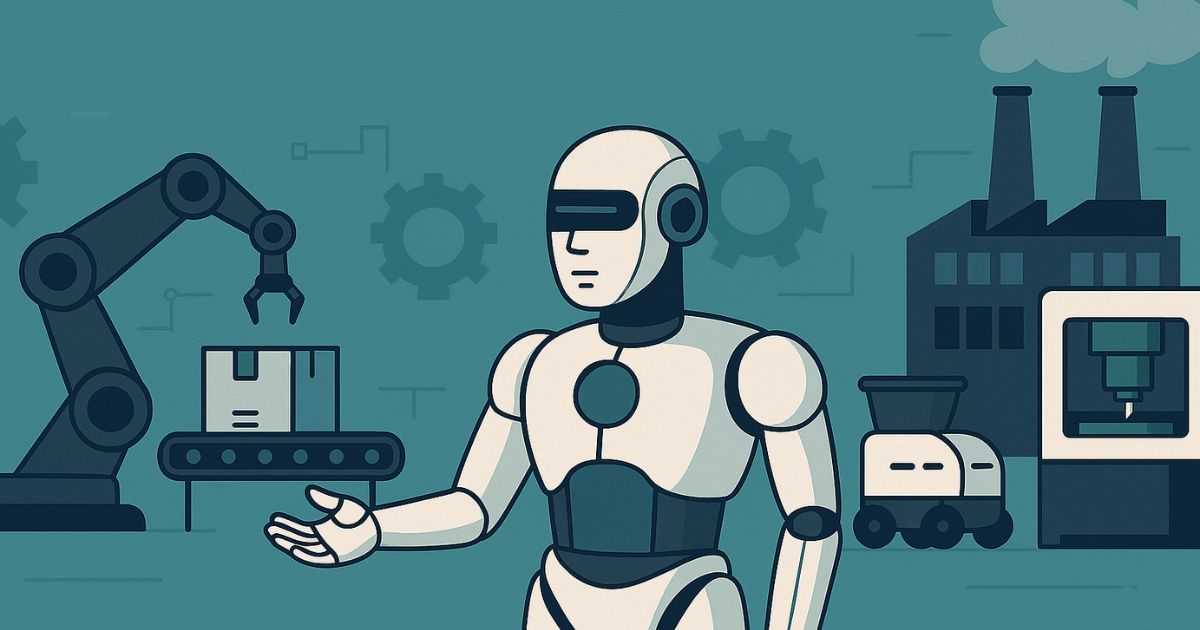
Robots have evolved from simple mechanical arms to highly sophisticated machines that can perform a wide variety of tasks across different industries. Let’s take a look at how robots are specifically making an impact in various sectors.
- Automotive Industry: The automotive industry has long been a leader in industrial automation. Robots are used in car assembly lines for tasks like welding, painting, and assembling parts. The integration of advanced robots has allowed manufacturers to streamline production, reduce defects, and enhance the overall quality of vehicles.
- Healthcare Industry: In healthcare, robots are playing a crucial role in surgery, patient care, and administrative tasks. Surgical robots, for example, assist surgeons in performing minimally invasive procedures with greater precision. Additionally, robots are being used in hospitals to deliver medication, transport supplies, and even help with patient rehabilitation.
- Food and Beverage Industry: The food industry is also benefiting from robotics. Robots are used for tasks such as packaging, sorting, and even food preparation. Automation in this industry has helped to improve hygiene, reduce waste, and ensure the consistency of products. In some places, robots are even capable of cooking and serving food, offering a futuristic twist to dining experiences.
- Logistics and Warehousing: Robots in logistics and warehousing are revolutionizing supply chains. Autonomous mobile robots (AMRs) are used to move products and materials around warehouses, drastically reducing the time and cost associated with manual labor. Drones are also being used for inventory management, performing stock checks and restocking shelves in large warehouses.
- Agriculture: Robotics is making a significant impact in the agricultural industry as well. Robots are being used for tasks like planting, harvesting, and monitoring crops. With advancements in AI, these robots can even make decisions about the best time to harvest crops or apply fertilizers, increasing yields and reducing waste.
How Can Automation in Manufacturing Improve Efficiency?
Automation in manufacturing is one of the most direct ways to boost efficiency. But what makes it so effective?
- Faster Production Times: Automated machines and robots can perform tasks much faster than human workers. Tasks that would take hours for a person to complete can be done in a fraction of the time by a robot, leading to shorter production cycles.
- Minimized Downtime: Automation reduces downtime caused by human error, sickness, or break periods. Robots can work continuously, ensuring that the production line never stops. Predictive maintenance, powered by AI, also ensures that machines are serviced before they break down, further minimizing downtime.
- Better Resource Utilization: Automation helps in optimizing the use of resources. Robots can efficiently manage raw materials, ensuring that they are used precisely according to demand, which reduces waste. Additionally, by automating certain tasks, manufacturers can reallocate their human workforce to more strategic roles that require creativity and problem-solving.
- Customizable and Scalable Operations: Automated systems can be reprogrammed or adjusted based on changing production requirements. This flexibility allows manufacturers to adapt quickly to market demands and scale production up or down without significant downtime or retraining costs.
How Are Robots Shaping the Future of Work?
The increasing presence of robots in industries has raised important questions about the future of work. Will robots replace human workers, or will they complement human efforts?
- Augmenting Human Skills: Robots are not here to replace humans but to augment their capabilities. In many cases, robots take over mundane, repetitive tasks, freeing up human workers to focus on tasks that require creativity, problem-solving, and emotional intelligence. For example, in manufacturing, robots can handle assembly tasks while humans focus on quality control or process optimization.
- New Job Opportunities: While some jobs may be displaced by automation, new opportunities are also being created. The demand for skilled workers to design, maintain, and operate robots is increasing. Jobs in fields like robotics engineering, AI development, and data analysis are on the rise as industries continue to integrate automation.
- Human-Robot Collaboration: The future of work will likely involve more collaboration between humans and robots. Rather than robots replacing humans, they will work alongside them, enhancing overall productivity and performance. This collaborative approach allows industries to leverage the strengths of both robots and humans, creating a more efficient and innovative workforce.
Conclusion
In conclusion, robotics and automation are no longer futuristic concepts—they are here, and they are transforming industries in profound ways. From improving productivity and reducing costs to enhancing workplace safety and creating new job opportunities, robots are playing a key role in shaping the future of work. As businesses continue to adopt these technologies, it’s clear that the future of industries will be driven by intelligent, autonomous systems that collaborate seamlessly with humans.
Frequently Asked Questions (FAQs)
1. What is the difference between industrial automation and robotics?
Industrial automation refers to the use of control systems, such as computers and robots, to control industrial processes. Robotics, on the other hand, involves the design and use of robots to perform tasks. While robotics is a subset of industrial automation, the latter encompasses a broader range of technologies.
2. How do robots improve workplace safety?
Robots can take over dangerous tasks in hazardous environments, such as working with heavy machinery, handling toxic substances, or operating in extreme conditions. This reduces the risk of accidents and injuries to human workers.
3. Will robots replace all jobs in the future?
Robots are unlikely to replace all jobs. Instead, they will automate repetitive tasks, allowing human workers to focus on more complex and creative aspects of work. New types of jobs, particularly in robotics design, maintenance, and programming, will also be created.
4. What are some examples of robots in manufacturing?
In manufacturing, robots are used for tasks such as welding, painting, assembly, and packaging. These robots enhance precision, speed, and consistency in production, leading to higher efficiency and lower costs.
5. How can small businesses benefit from automation?
Small businesses can benefit from automation by reducing operational costs, improving efficiency, and ensuring consistent product quality. Automation can also help small businesses scale operations without the need for significant increases in workforce size.