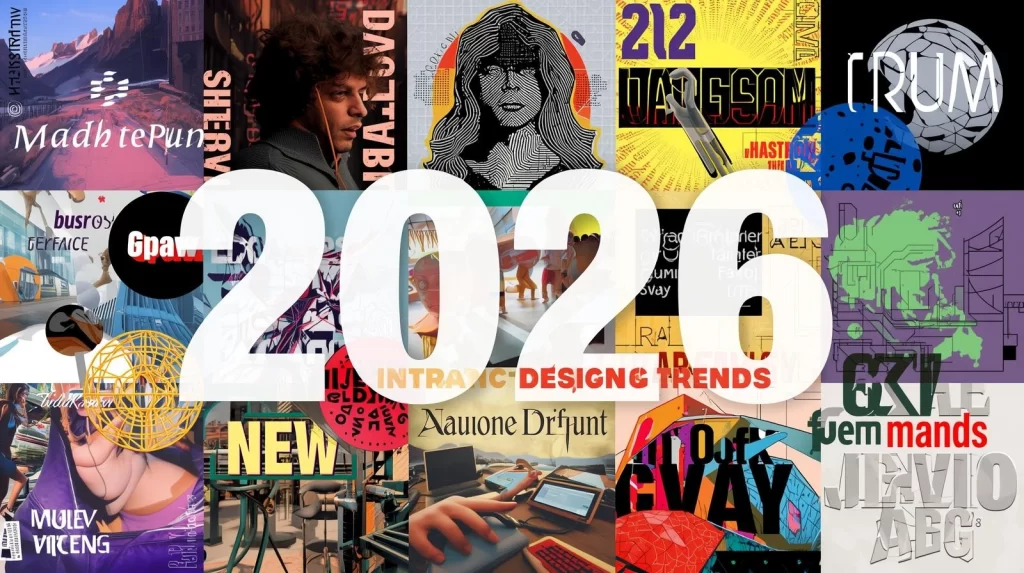
Are you ready for the graphic design trends that will shape 2026?
The industry is evolving at lightning speed, and staying ahead of the curve is more important than ever. Whether you’re a business owner or a creative professional, knowing which design elements to embrace (and which to avoid) is crucial to making your mark in an increasingly crowded digital space.
Graphic design trends aren’t just about aesthetics; they directly influence how users perceive your brand, your products, and your services. With more businesses turning to graphic design as a key marketing strategy, it’s essential to understand what’s going to make an impact in the next few years. In this post, we’ll explore the hot trends you should incorporate into your designs and the outdated elements you need to leave behind in 2026.
1. What’s In for 2026: The Graphic Design Trends to Watch
1.1 Bold, Experimental Typography
Typography is taking center stage in 2026. Gone are the days of minimalist, plain fonts. Bold, experimental typography is making waves, with designers pushing the boundaries of what’s possible with type. Expect to see large, expressive fonts that demand attention, often integrated seamlessly with visuals to create a cohesive story.
Professional Website Development & SEO Services – Grow Online Fast
Why It’s Hot:
This trend embraces creativity and personality, adding depth to your message. It’s perfect for brands that want to stand out in a crowded market, allowing you to capture attention immediately.
Pro Tip:
Use bold typography for headlines or key messaging. Pair it with contrasting elements like soft background gradients or minimalist icons to create a harmonious yet striking design.
1.2 3D and Immersive Design
3D designs are not new, but in 2026, expect them to be more realistic, interactive, and integrated into user interfaces. From websites to apps, 3D designs will be used to provide users with a more engaging and immersive experience. The shift is toward designs that move beyond flat visuals and provide depth, realism, and interactivity.
Why It’s Hot:
As virtual reality and augmented reality continue to grow, users crave more interactive and lifelike experiences. 3D design helps bridge that gap, making interfaces more intuitive and engaging.
Pro Tip:
When incorporating 3D elements, remember to keep performance in mind. Ensure your website or app can handle the added complexity without sacrificing load time or user experience.
1.3 Sustainable and Eco-friendly Design
Sustainability is more than just a buzzword. It’s a major shift in consumer values, and design trends are reflecting that. In 2026, expect to see more eco-conscious design choices that focus on simplicity, organic textures, and green color palettes. Think biodegradable product packaging, eco-conscious materials, and designs that tell a sustainable story.
Why It’s Hot:
With growing environmental concerns, more consumers are aligning with brands that reflect their values. Eco-friendly design shows that you care about the planet, which can build stronger connections with your audience.
Pro Tip:
Incorporate natural textures, green color schemes, and minimalist elements to evoke a sense of sustainability. Don’t forget to use recyclable and sustainable materials if you’re working on physical products.
1.4 Dynamic and Animated Visuals
Animation is no longer reserved for cartoons. In 2026, dynamic and interactive animations will become a staple of graphic design. Whether it’s for web design, social media, or email campaigns, adding motion can captivate your audience and enhance storytelling.
Why It’s Hot:
Motion grabs attention, makes designs more engaging, and helps in storytelling. A small animation can transform a mundane visual into something that feels alive, providing users with a more immersive experience.
Pro Tip:
Be mindful of the balance between animation and functionality. While animation can be captivating, it should never interfere with the user experience. Keep animations subtle but impactful.
2. What’s Out in 2026: The Trends to Leave Behind
2.1 Overused Stock Photos
Stock photos have had their time. In 2026, authentic and original imagery is the way forward. Consumers are looking for real, relatable visuals that reflect true diversity, personality, and authenticity. Overused, generic stock images are a surefire way to make your brand feel outdated.
Why It’s Not Hot:
Stock photos often lack emotional depth and fail to represent real people and experiences. With authenticity being more important than ever, stock images just don’t cut it anymore.
Pro Tip:
Invest in custom photography or illustrations that reflect your brand’s personality and values. If you must use stock photos, choose ones that feel natural and align with your unique brand voice.
2.2 Flat Design Overload
While flat design was once revolutionary, it’s beginning to feel stale. In 2026, designers will move away from the overly simplistic flat design in favor of more dynamic, layered, and tactile visuals. Users now expect a more enriched visual experience that doesn’t sacrifice functionality for aesthetics.
Why It’s Not Hot:
Flat design lacks depth and can feel too minimalistic. As users become accustomed to more engaging, layered designs, the flat approach starts to feel unexciting.
Pro Tip:
While you can still use flat design elements, blend them with textures, gradients, or 3D visuals to give your designs more depth and life.
2.3 Overly Complex User Interfaces
While complexity might have been the norm in the past, modern design trends are shifting toward simplicity and clarity. In 2026, over-complicated user interfaces (UIs) are out. Clean, intuitive, and user-friendly designs are in.
Why It’s Not Hot:
Users today have shorter attention spans and crave simplicity. Cluttered, overly complex designs only frustrate users, leading to poor user experiences and higher bounce rates.
Pro Tip:
Opt for minimalist interfaces that prioritize essential features. Streamline navigation, simplify interactions, and focus on delivering a seamless experience.
3. Pro Tips for Staying Ahead of the Curve
- Follow Industry Leaders: Keep an eye on what top designers are doing. Follow design blogs, social media profiles, and attend webinars to stay updated.
- Experiment with New Tools: Explore new design tools like Figma or Adobe XD for innovative capabilities that push the boundaries of what you can create.
- Listen to Your Audience: Regularly gather feedback from your audience. Pay attention to how they interact with your designs and use this data to inform future design decisions.
4. Real-World Examples: Brands Doing It Right
Example 1: Spotify’s Bold Typography
Spotify’s use of bold, dynamic typography in their advertising campaigns has helped the brand stand out. By embracing bold fonts with strong color contrasts, they create a striking visual identity that grabs attention and reflects the energy of their platform.
Example 2: Tesla’s Eco-Friendly Design
Tesla’s design aesthetic ties directly into their brand’s sustainability mission. Their product packaging and marketing materials use natural textures and minimalistic designs, aligning perfectly with their green energy ethos.
Example 3: Apple’s 3D Design Integration
Apple is known for incorporating 3D elements seamlessly into its product presentations and user interfaces. Their website design and app interfaces feature subtle animations and 3D elements that enhance the user experience without overwhelming it.
Conclusion
As we move into 2026, the graphic design world is evolving faster than ever. Bold typography, 3D visuals, and sustainable design are leading the charge, while outdated trends like stock photos and overly complex interfaces are on their way out. To stay competitive, focus on embracing these new trends while avoiding the pitfalls of outdated design elements.
Are you ready to elevate your brand’s design in 2026? Start by experimenting with these trends today and stay ahead of the curve.
FAQ Section
1. What are the key graphic design trends for 2026?
The key trends include bold typography, 3D and immersive designs, sustainable and eco-friendly elements, and dynamic animations.
2. How can I incorporate bold typography into my designs?
Use large, expressive fonts for headlines and key messages, pairing them with minimalist design elements for contrast.
3. What’s the future of 3D design in graphic design?
3D design will become more integrated into user interfaces, offering a more immersive and interactive experience.
4. Why is sustainability important in graphic design?
As consumers become more eco-conscious, sustainable design choices help align your brand with their values, fostering stronger connections.
5. How do I avoid outdated design trends?
Steer clear of overused stock photos, overly minimalist flat designs, and complex interfaces that frustrate users.
6. What are the best design tools for 2026?
Tools like Figma, Adobe XD, and Blender are expected to be at the forefront, offering innovative features that support dynamic design.
7. How can I make my designs more engaging in 2026?
Experiment with animation, 3D elements, and bold typography while keeping the user experience intuitive and seamless.